Politics · Sri Lanka Bureau
Supreme Court Upholds Tax Authority's Right to Levy APIT on Judges
Sri Lanka's Supreme Court has validated the Inland Revenue Department's authority to impose Advance Personal Income Tax on members of the judiciary. The ruling clarifies that salary deductions for APIT on judges are legally permissible under the Inland Revenue (Amendment) Act.
LSN Sri Lanka ·
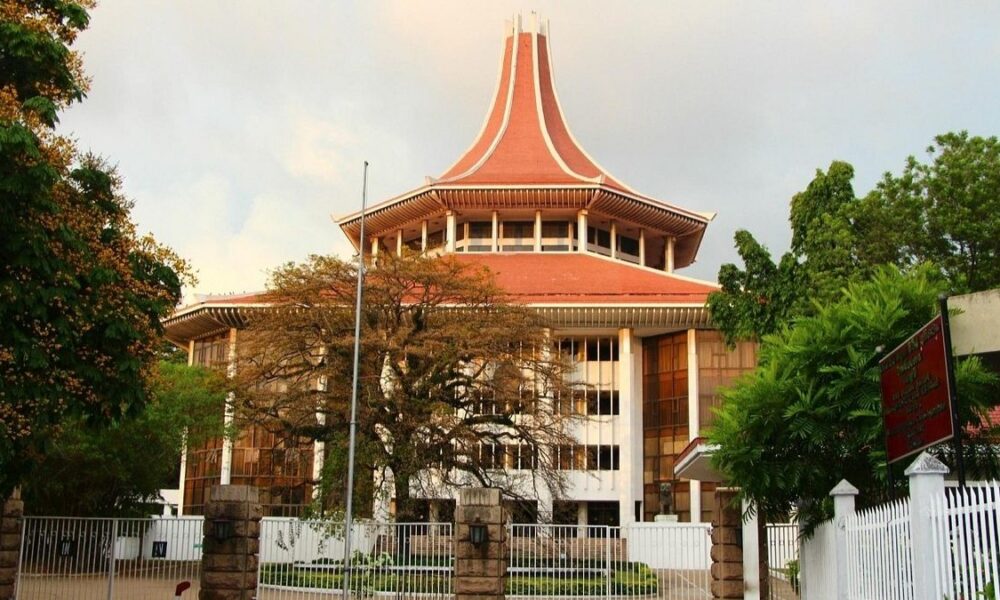
The Supreme Court has delivered a significant judgment confirming the constitutional validity of the Inland Revenue Department's decision to levy Advance Personal Income Tax on judicial officers. The court ruled that the IRD acted within its legal mandate when implementing APIT deductions from judges' salaries under the provisions of the Inland Revenue (Amendment) Act.
The judgment establishes that the tax authority possesses the requisite legal authority to deduct APIT from judicial remuneration, resolving questions about the scope of the IRD's powers in this regard. The ruling addresses a matter of public administrative law that has implications for how taxation is applied across government institutions.
The Supreme Court's decision provides clarity on the intersection of tax law and the treatment of judicial officers' compensation. By upholding the IRD's position, the court has affirmed that judges, like other taxpayers, are subject to existing tax legislation and the deduction mechanisms prescribed therein.
This judgment is likely to have broader implications for tax compliance across the public sector, establishing precedent for how advance tax obligations apply to statutory office holders in Sri Lanka.