Politics · India Bureau
Supreme Court urges sustained NTA reforms over ad-hoc committees
The Supreme Court has cautioned against a cycle of committees and superficial measures in addressing systemic flaws exposed by the NEET-UG paper leak, emphasising the need for institutionalised, long-term reforms at the National Testing Agency.
LSN India ·
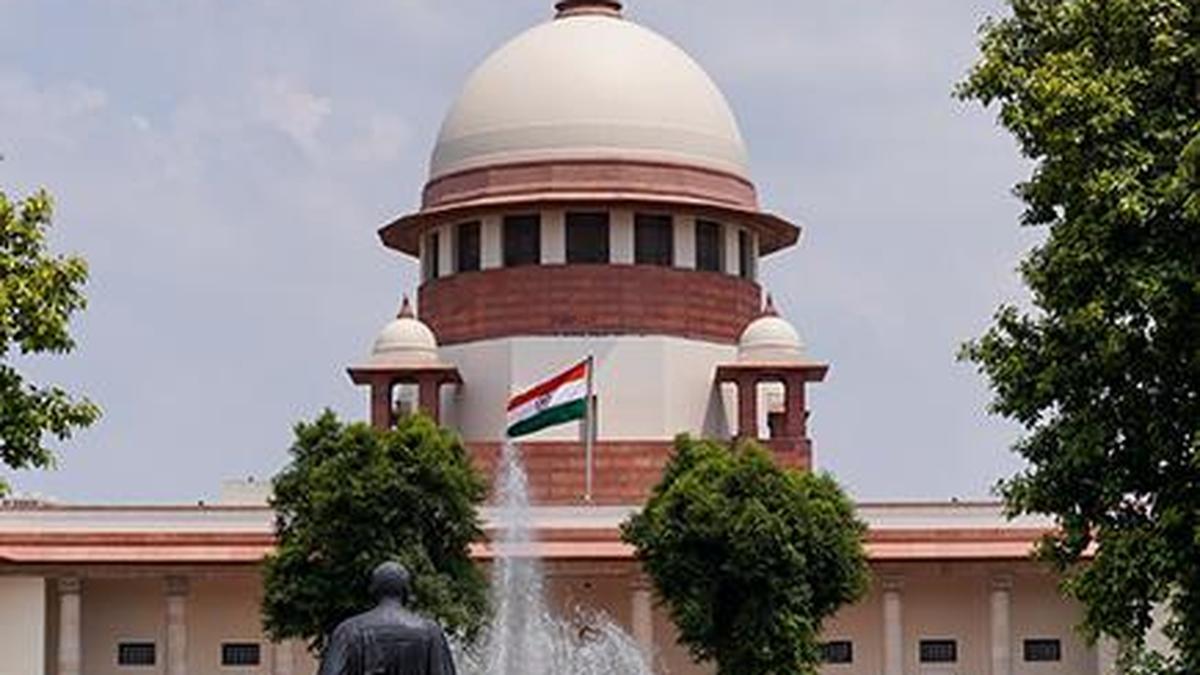
The Supreme Court has warned against a pattern of short-term interventions in tackling the examination system's vulnerabilities, following the NEET-UG paper leak controversy that shook the country's medical entrance testing framework.
A bench hearing the case noted that while the Radhakrishnan Committee correctly identified the issue as a systemic problem requiring institutional change, the reality on the ground frequently falls short of paper commitments. "This process on paper everything looks good. But then one exam happens and by the time the second exam happens it is a new picture altogether," the Court observed, highlighting the gap between policy intentions and actual implementation.
The Court's statement underscores growing concern that repeated committee formations and recommendations, without sustained execution and accountability mechanisms, have failed to prevent recurring lapses in examination conduct. The NEET-UG controversy exposed vulnerabilities in the National Testing Agency's operational protocols, from question paper security to centre management.
The Supreme Court's emphasis on institutionalisation signals that any reforms must be embedded in permanent structural changes, standardised procedures, and continuous oversight rather than relying on temporary task forces. The bench's remarks suggest the judiciary will scrutinise whether remedial measures translate into meaningful improvements across successive examination cycles.
The observations come as the NTA faces heightened public and judicial scrutiny over its ability to conduct secure, credible national-level examinations upon which lakhs of aspirants depend for educational opportunities.