Politics · Philippines Bureau
Supreme Court Voids Budget Provisions Exceeding Presidential Recommendations
The Philippine Supreme Court has invalidated key sections of the national budgets for 2024, 2025, and 2026, finding that Congress violated constitutional spending limits by increasing appropriations beyond the President's original recommendations. The ruling clarifies that while unprogrammed funds are permissible, they must operate under strict oversight mechanisms.
LSN Philippines ·
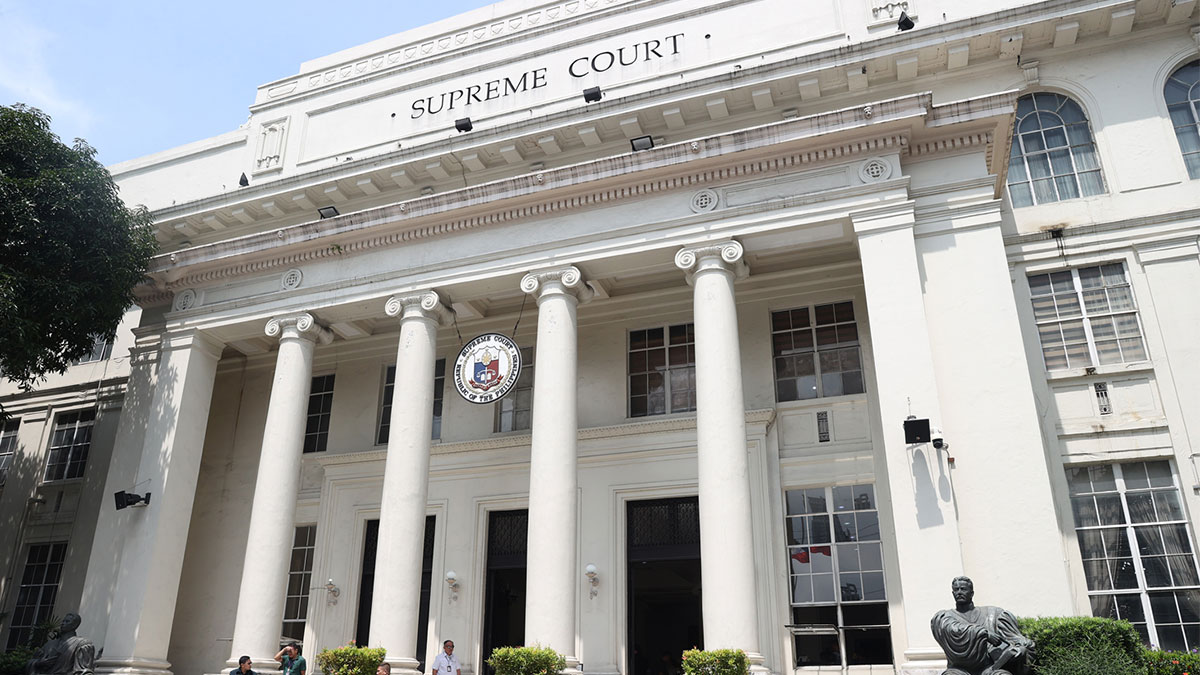
MANILA — The Supreme Court has delivered a significant decision on budgetary authority, striking down provisions in three consecutive national budgets that the justices determined exceeded constitutional parameters on government spending. The court found that Congress had improperly enlarged the President's total recommended appropriations across the 2024, 2025, and 2026 budget cycles, thereby overstepping its legislative authority.
The ruling addresses a recurring tension between executive and legislative branches over budget formulation. While the court acknowledged that unprogrammed funds—allocations set aside for contingencies or to be distributed later—are not inherently unconstitutional, the justices emphasized that such funds cannot operate without robust safeguards and oversight mechanisms to prevent abuse.
The decision establishes clearer boundaries on congressional power during the budget approval process. The court's stance suggests that legislators must exercise restraint when amending executive budget proposals and cannot simply inflate total spending authorizations to levels not requested by the President. The justices appear to have sought a balance between protecting executive prerogatives and allowing Congress its proper legislative role.
The implications of the ruling extend beyond the three fiscal years in question, potentially shaping budget procedures for future administrations. Government agencies and lawmakers will likely need to recalibrate their approaches to budget amendments and unprogrammed fund allocations in light of the Supreme Court's newly articulated constitutional standards.