Politics · India Bureau
Supreme Court weighs traders' livelihood against protest rights in Delhi
India's Supreme Court has acknowledged the economic hardship faced by street vendors and small traders during demonstrations, noting the tension between citizens' right to protest and vendors' right to earn a living.
LSN India ·
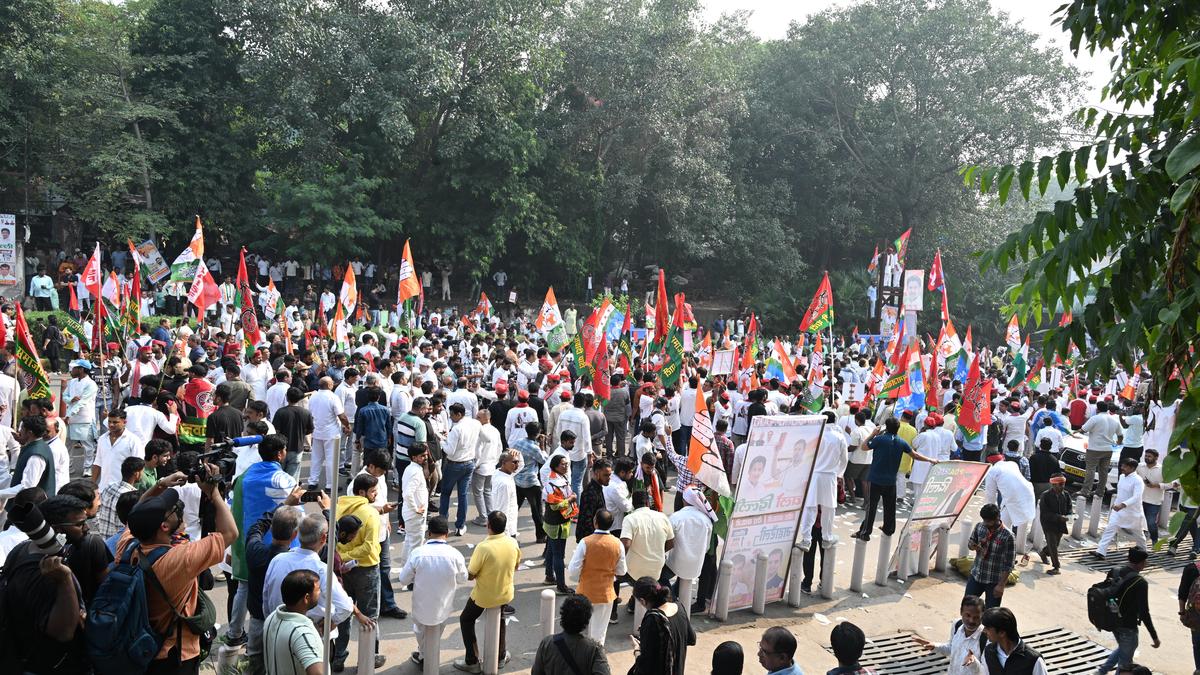
The Supreme Court bench has expressed sympathy for the plight of Delhi's small traders, hawkers, and push cart vendors who face economic losses during public demonstrations and protests in the capital.
While recognizing the constitutional right to freedom of expression and peaceful assembly, the court acknowledged that large-scale protests create what it termed a 'protest economy'—disrupting normal commercial activity and denying informal sector workers their daily income.
The bench noted that the livelihood rights of street vendors and small traders stand in direct competition with the right to protest exercised by demonstrators. This collision of fundamental rights presents a complex challenge for urban governance and public order management.
The court's observations come amid ongoing discussions about balancing democratic freedoms with the economic vulnerabilities of Delhi's informal workforce, who often lack alternative income sources or financial buffers to absorb losses from protest-related disruptions.
The Supreme Court's recognition of this tension may influence how authorities manage future demonstrations in metropolitan areas, particularly regarding advance notification systems and mitigation measures for affected traders.