Politics · India Bureau
Supreme Court widens probe into illegal sand mining, warns of irreversible river damage
India's top court has broadened its investigation into unlawful sand extraction operations, cautioning that ecological harm to rivers cannot be adequately compensated. The observation emerged during proceedings examining illegal mining activities in the Chambal River.
LSN India ·
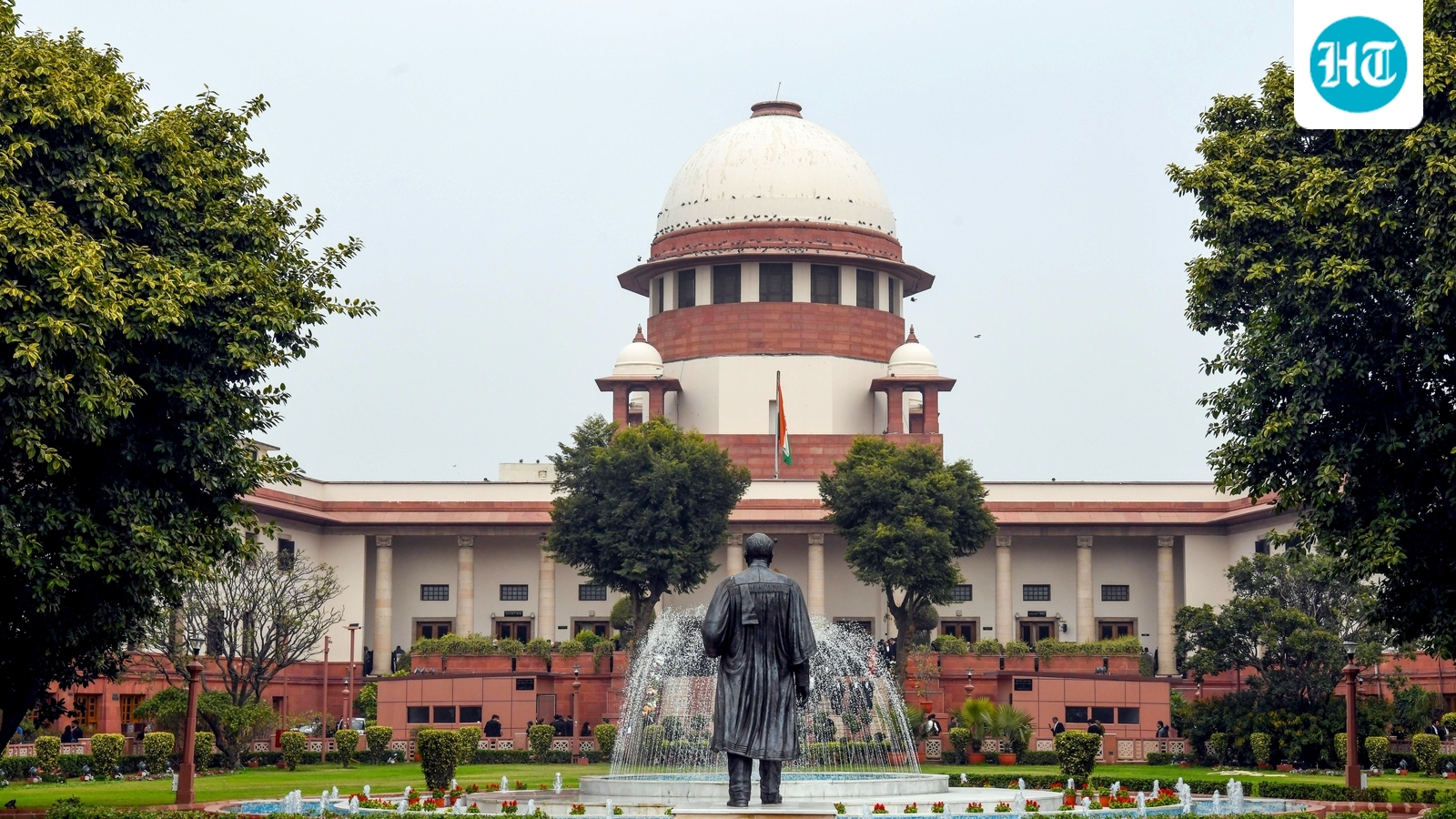
The Supreme Court of India has significantly expanded its examination of illegal sand mining practices across the country, emphasizing that environmental degradation of river systems represents irreversible damage that no monetary compensation can address.
The observation came during hearings on a suo motu proceeding—initiated by the court itself—triggered by news reports documenting unauthorized sand mining in the Chambal River, which flows through Rajasthan and Madhya Pradesh. The court's broader inquiry signals growing judicial concern about the scope and environmental consequences of unregulated sand extraction nationwide.
Sand mining has emerged as a critical environmental issue in India, with illegal operations degrading riverine ecosystems, destabilizing banks, and affecting aquatic habitats. The Chambal River, known for its ecological significance and wildlife, has faced particular pressure from extraction activities.
The court's emphasis on the non-compensable nature of river damage represents a significant stance in environmental jurisprudence, suggesting that remediation efforts must focus on prevention and restoration rather than financial penalties alone. The expanded probe is expected to examine the extent of illegal mining operations and the adequacy of regulatory oversight across affected regions.