World · India Bureau
Surgical Strike Architect Recalls Uncertainty Before Green Light
A retired lieutenant general who commanded Indian forces during the 2016 surgical strikes reveals the anxiety surrounding approval for the cross-border operation. Lt. Gen. Rajendra Ramrao Nimbhorkar was among only 18 people aware of the mission following the Uri terror attack.
LSN India ·
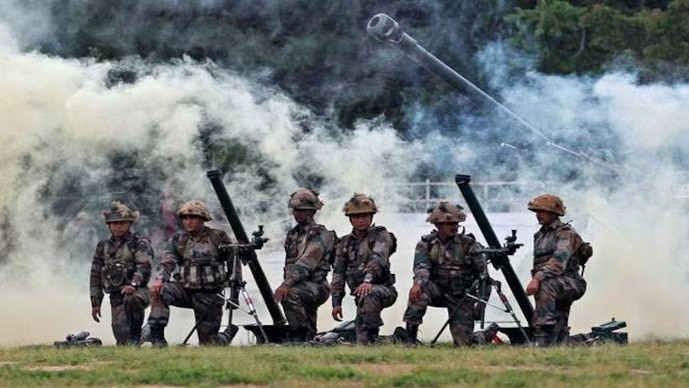
Lieutenant General Rajendra Ramrao Nimbhorkar (retired) was serving as General Officer Commanding of the 16 Corps, also known as the White Knight Corps, based in Nagrota when India executed the surgical strikes on the night of September 28, 2016. The operation came in response to a militant attack on an army base in Uri that had killed 18 soldiers.
As one of just 18 individuals briefed on the highly classified operation, Nimbhorkar held a pivotal position in the command structure overseeing the cross-border raid into Pakistan-occupied Kashmir. The restricted circle of knowledge underscored the operational sensitivity and security protocols surrounding the mission.
In recent recollections, Nimbhorkar has spoken about the uncertainty that pervaded the planning phase, noting that while military planners had developed a comprehensive operational plan, there was considerable apprehension about whether the highest levels of government would ultimately authorize the strike. This tension between military readiness and political decision-making underscored the high stakes involved in the cross-border operation.
The surgical strikes marked a significant moment in India's military response to cross-border terrorism, demonstrating the country's willingness to conduct targeted operations against militant positions. The operation's success and its limited disclosure to a select group reflected both the tactical complexity and the political sensitivities of the mission.