Culture & Entertainment · India Bureau
Surrendered Maoists Navigate Difficult Path to Civilian Life
Thousands of former insurgents are attempting to reintegrate into mainstream society, facing both new opportunities and significant obstacles. Their experiences underscore the complex challenges of post-conflict rehabilitation in India's affected regions.
LSN India ·
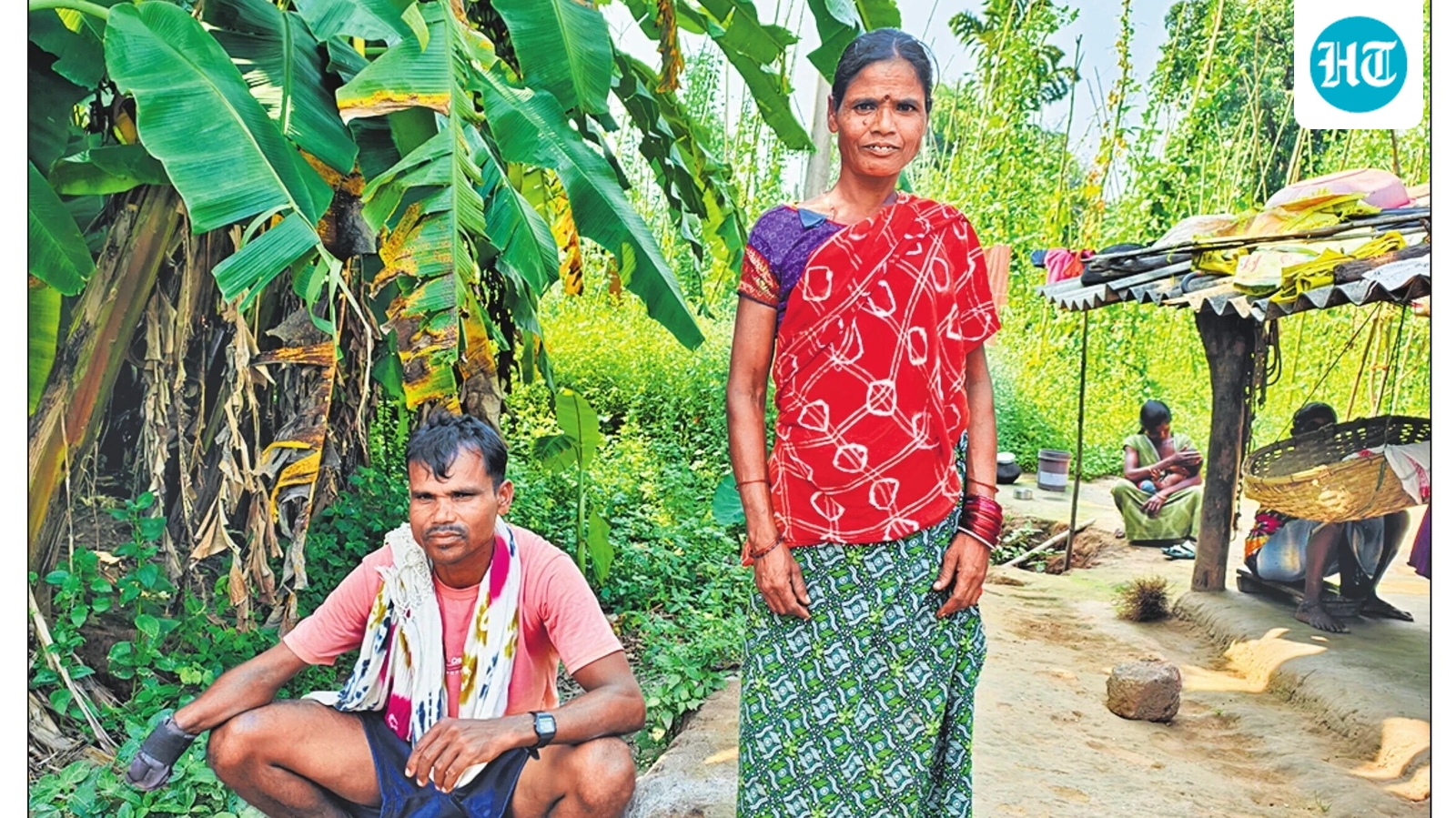
Across India's conflict-affected states, surrendered Maoist cadres are attempting to rebuild their lives away from armed struggle, a transition that brings both promise and considerable hardship. The process of reintegration has become increasingly significant as security operations have prompted mass surrenders, leaving thousands to navigate the uncertainties of civilian existence.
Former insurgents seeking to establish themselves in regular employment face multiple barriers, including social stigma, limited educational credentials, and employer reluctance. Many lack formal qualifications or vocational training, making it difficult to secure stable livelihoods. Government rehabilitation schemes exist in various states, yet their implementation remains inconsistent, leaving many surrendered cadres to fend for themselves with minimal support systems.
The psychological adjustment from armed militancy to civilian routines presents equally formidable challenges. Former combatants must contend with trauma, identity shifts, and the loss of the structured community provided by underground networks. Local communities, meanwhile, often harbor suspicion and resentment, complicating efforts toward genuine social reintegration.
State governments have implemented varying approaches to rehabilitation, ranging from financial assistance to skills training programs and employment guarantees. However, success rates remain mixed, with many schemes struggling to reach beneficiaries or provide sustainable solutions. Experts argue that comprehensive rehabilitation requires coordinated efforts spanning security, social welfare, and economic development sectors.
The experiences of surrendered cadres offer crucial lessons for policymakers seeking to address insurgency through non-military means. Effective reintegration programs could reduce recidivism and demonstrate viable alternatives to armed struggle, potentially influencing current and future militants to lay down weapons and rejoin society.