World · India Bureau
Survey reveals critical gaps in Asia's public transport infrastructure
A comprehensive travel survey has highlighted severe deficiencies in public transportation systems across South and Southeast Asia, signalling urgent need for infrastructure investment. The findings underscore growing challenges in meeting commuter demand in rapidly urbanising regions.
LSN India ·
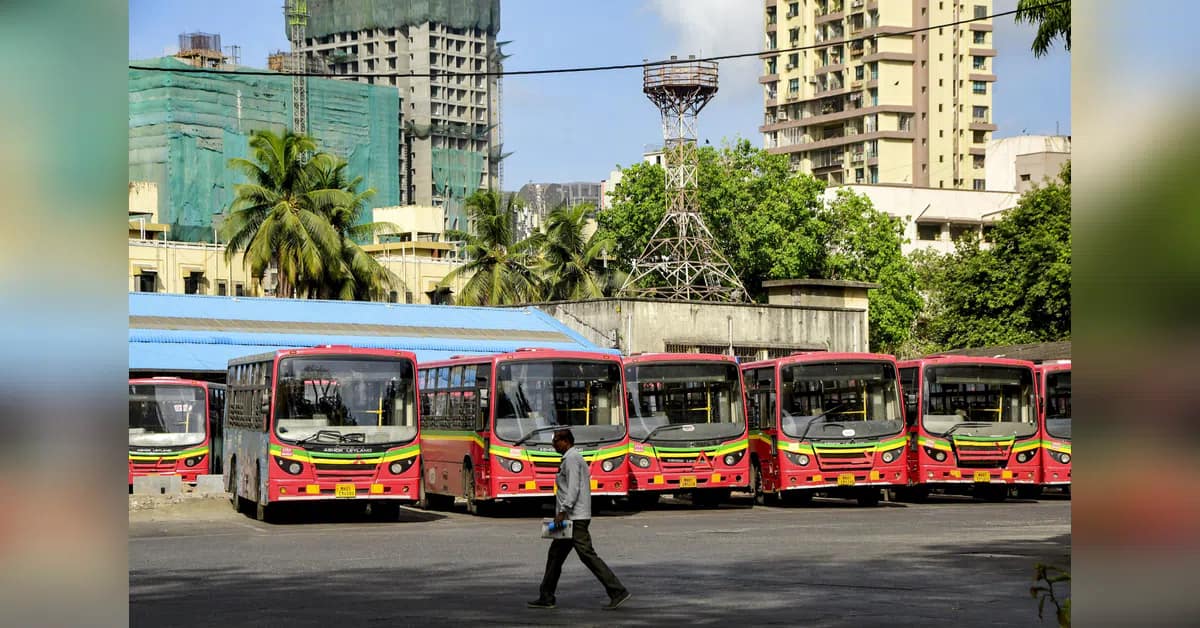
A major survey examining transportation patterns across South and Southeast Asia has exposed significant shortages in public transit capacity and coverage, raising concerns about urban mobility and economic productivity. The research, which analysed commuting habits and infrastructure availability, found that existing public transport networks fall substantially short of meeting current demand across major population centres.
The gap between available services and public need is most acute in rapidly growing metropolitan areas, where population expansion has outpaced infrastructure development. Many regions lack sufficient bus routes, railway connections, and last-mile connectivity options, forcing commuters to rely on private vehicles and informal transport modes. This mismatch has contributed to increased traffic congestion, longer commute times, and environmental challenges in cities across the region.
Urban planners and transport officials have indicated that addressing the shortfall requires coordinated investment in mass rapid transit systems, bus networks, and integrated mobility solutions. Several governments have announced plans to expand their transport infrastructure, though implementation timelines remain uncertain. The survey findings suggest that without decisive action, public transport deficiencies will continue to constrain urban growth and quality of life in the region's major cities.
Experts emphasise that strategic planning and adequate funding are essential to bridge the infrastructure gap and create sustainable, efficient transport networks that can accommodate projected population growth and economic development across Asia.