World · World News Bureau
Suzuki's electric vehicle plans highlight Japan's battery supply dependence
Japan's automotive industry faces mounting pressure as manufacturers like Suzuki pursue electric vehicle expansion while remaining heavily reliant on Chinese battery supplies. The gap underscores structural vulnerabilities in Japan's EV supply chain as global competition intensifies.
LSN World News ·
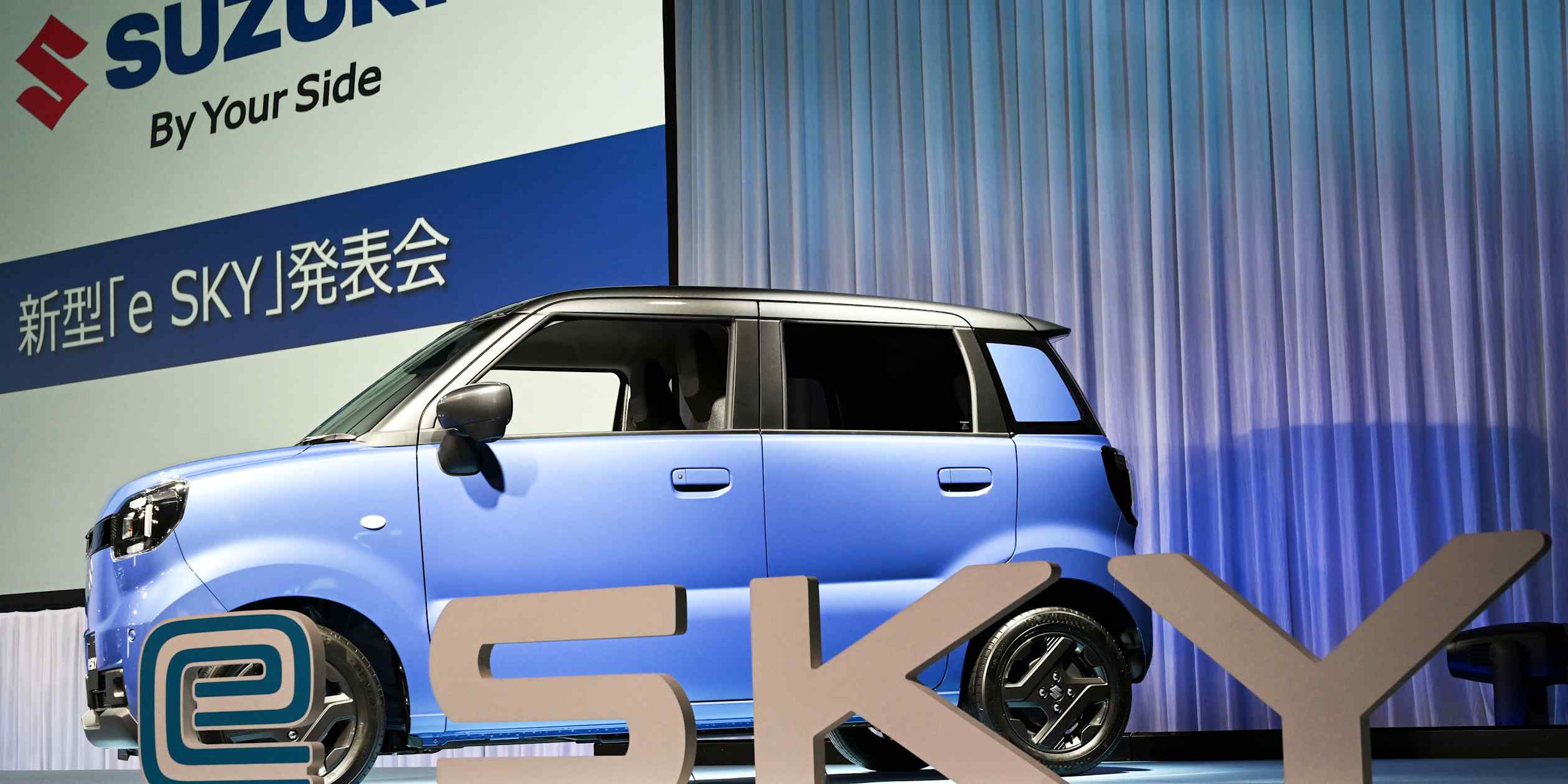
Suzuki Motor Corporation's push into the mini electric vehicle segment has brought into sharp focus a critical strategic weakness affecting Japan's broader automotive sector: its dependency on Chinese battery manufacturers. As the company develops affordable EV models targeting emerging markets and domestic consumers, it must navigate supply chains dominated by Chinese producers who have captured the majority of global battery production capacity.
Japan's traditional strength in automotive manufacturing has not translated into comparable advantages in battery technology and production. Chinese competitors, backed by government support and massive capital investments, have established themselves as the primary suppliers of lithium-ion batteries globally. This imbalance has forced Japanese automakers to either source batteries from Chinese suppliers or engage in joint ventures that limit their control over costs and supply security.
The vulnerability extends beyond cost considerations. Battery supply represents a critical chokepoint for Japan's automotive transition to electrification, occurring at a moment when global EV adoption is accelerating. Disruptions in supply chains, trade tensions, or geopolitical shifts could significantly impact production timelines for Japanese manufacturers seeking to compete in the rapidly expanding EV market.
Industry analysts note that addressing this dependency will require sustained investment in domestic battery production capacity and technological innovation. Several Japanese companies have announced plans to expand battery manufacturing, but closing the gap with established Chinese producers will require years of development and substantial capital commitment. Until then, Japanese automakers pursuing electric vehicle strategies like Suzuki face inherent constraints in their ability to control supply chains and respond swiftly to market demands.