Politics · India Bureau
Sweden's Centre-Left Gains Edge as Far-Right Influence Wanes
Preliminary election results show Sweden's centre-left opposition securing a narrow three-seat majority, positioning Social Democrat leader Magdalena Andersson to form the next government. The result marks a setback for the anti-immigration Sweden Democrats, who have lost parliamentary ground.
LSN India ·
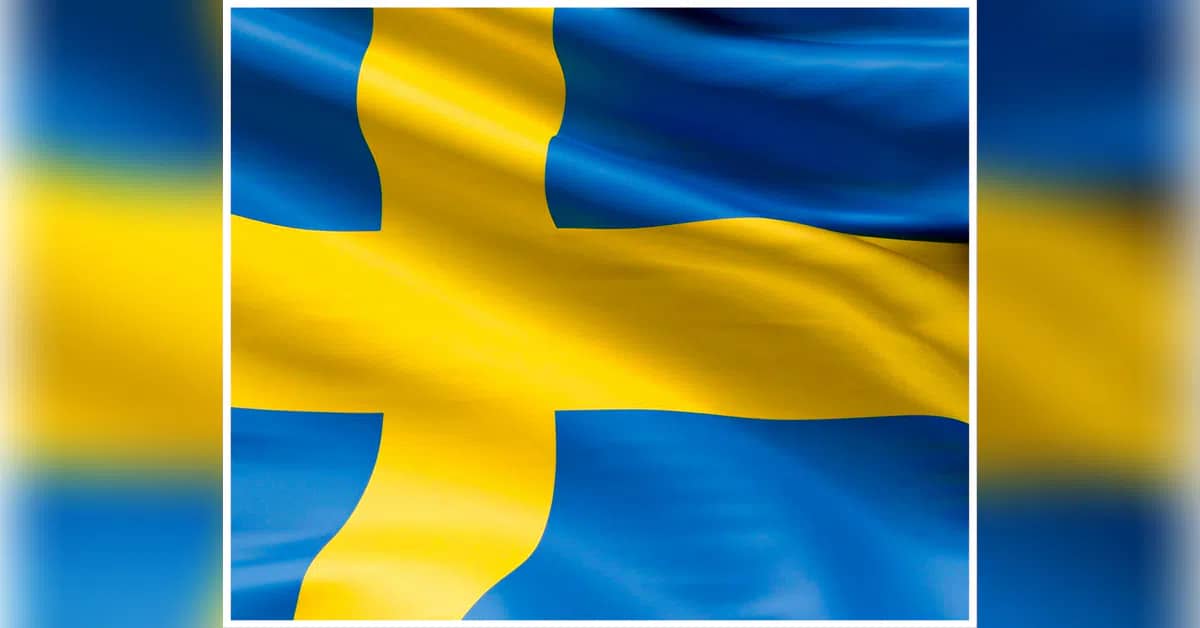
Sweden's centre-left bloc has emerged with a marginal advantage in the country's latest election, according to preliminary results that suggest a significant shift in the political landscape. The opposition coalition's three-seat lead puts Magdalena Andersson, leader of the Social Democrats, on track to become Prime Minister and form a new government.
The result represents a reversal of fortunes for the Sweden Democrats, the anti-immigration party that had gained considerable traction in recent years. The party's reduced parliamentary representation signals a potential decline in far-right influence within the Riksdag, Sweden's legislative assembly.
Anderson's centre-left coalition will need to navigate complex coalition negotiations to consolidate its narrow majority. The election outcome reflects ongoing political divisions in Sweden over immigration policy, economic management, and welfare provisions, issues that have dominated recent electoral campaigns across the Nordic region.
The preliminary results still require official verification, but the trends suggest Swedish voters have opted for a change of direction after the previous centre-right government's tenure. Final seat allocations and formal coalition talks are expected to proceed in the coming days as negotiations begin on government formation.