Politics · Malaysia Bureau
Sweden's Prime Minister Steps Down Following Election Defeat
Sweden's governing coalition has lost parliamentary elections, paving the way for the Social Democratic Party to return to power after four years in opposition. Party leader Magdalena Andersson is positioned to reclaim the prime minister's office.
LSN Malaysia ·
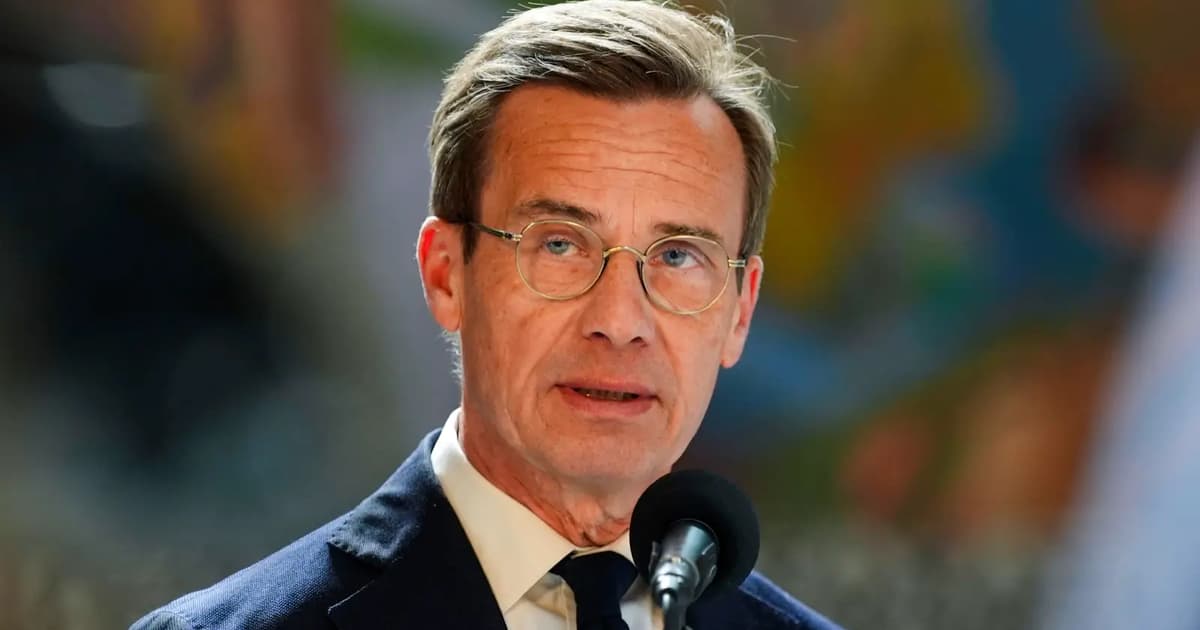
Sweden's Prime Minister announced his resignation following the country's parliamentary election results, which saw the ruling coalition lose its majority in the Riksdag. The electoral outcome marks a significant shift in Swedish politics, with voters delivering a mandate for change after the incumbent government's four-year tenure.
Magdalena Andersson, leader of the Social Democratic Party, is expected to lead negotiations to form a new government. The party's return to prominence reflects voter concerns over the previous administration's handling of key policy areas during its time in office.
Anderson previously served as prime minister before the coalition's 2018 election victory. Her anticipated return signals a shift back toward the social democratic policies that have traditionally shaped Swedish governance. The party will now work to build a parliamentary coalition capable of commanding support in the legislature.
The transition of power underscores the cyclical nature of Swedish electoral politics, where control of parliament has alternated between center-left and center-right coalitions over recent decades. The new government formation process is expected to unfold over the coming weeks as party leaders negotiate ministerial positions and policy priorities.