Business · India Bureau
Swedish flea-market Buddha statue sells for fortune after Ming dynasty discovery
A small Buddha statue purchased decades ago at a Swedish flea market for just over 20 kronor has fetched 2.44 million kronor at auction following identification as a rare Ming dynasty artifact. The remarkable sale highlights how valuable historical treasures can lie hidden in plain sight.
LSN India ·
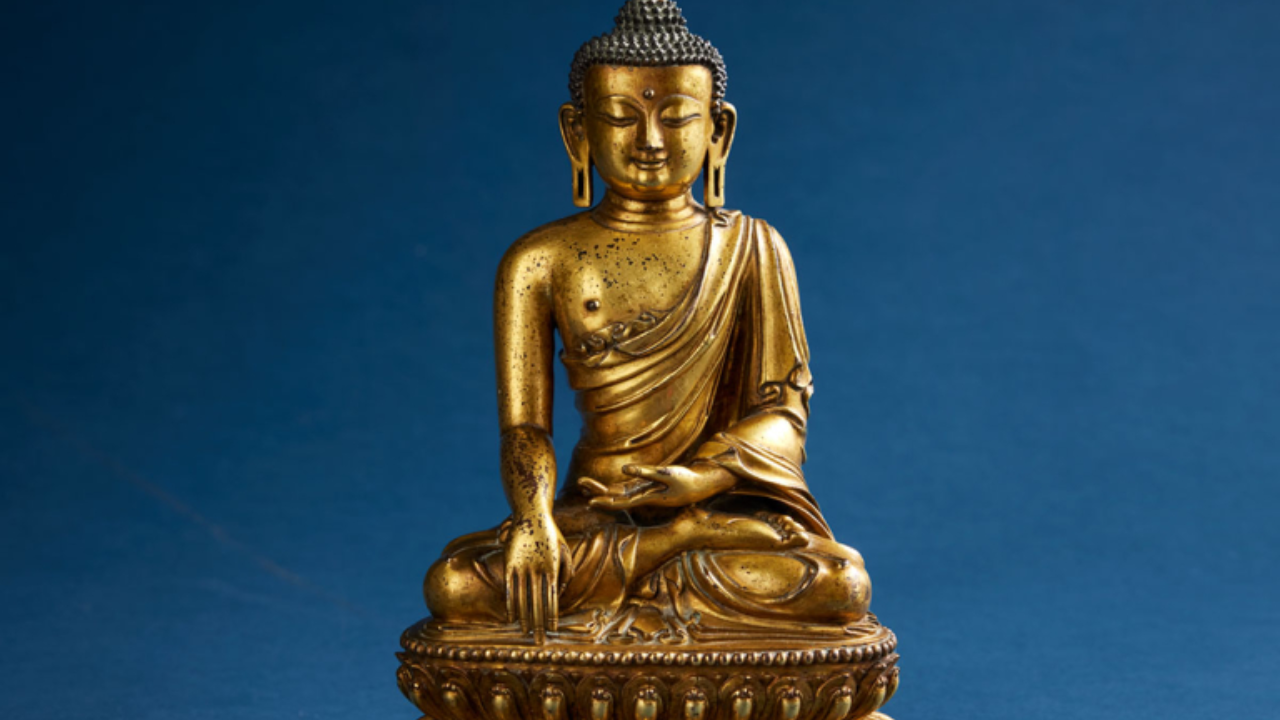
A Buddha statue acquired nearly four decades ago at an Uppsala flea market in Sweden has sold for approximately 2.44 million kronor (SEK 2,437,500), an astonishing return on an initial investment of just over 20 kronor. The small sculpture, which had languished in obscurity for years, was authenticated as a genuine piece from the Ming dynasty's Yongle period, one of China's most celebrated artistic eras.
The discovery of the statue's true provenance transformed what many would have dismissed as a modest trinket into a significant artifact. The Yongle period, spanning the early 15th century, is renowned among collectors and historians for its exceptional craftsmanship and artistic innovation. Pieces from this era command considerable premiums in the international art market, particularly when they have survived centuries with minimal documentation.
The auction result has drawn international attention to the piece, underscoring a broader lesson in art history and collecting: valuable insights into cultural heritage can emerge from the most unexpected sources. The sale also demonstrates the importance of expert evaluation and authentication in determining an object's true worth, a process that can take years or even decades to complete.
For the seller, the find represents a remarkable windfall—a return of more than 120,000 times the original purchase price. The sale adds to a growing catalogue of significant historical discoveries made through chance encounters in secondhand markets and private collections across Europe.