World · India Bureau
Swine Flu Cases Rise Across India; Vaccination Options Available
As H1N1 swine flu cases surge in Delhi and multiple Indian states, health authorities are advising citizens about available preventive measures. Vaccination remains a key tool in controlling the spread of the virus, which presents with symptoms including high fever, cough, and respiratory distress.
LSN India ·
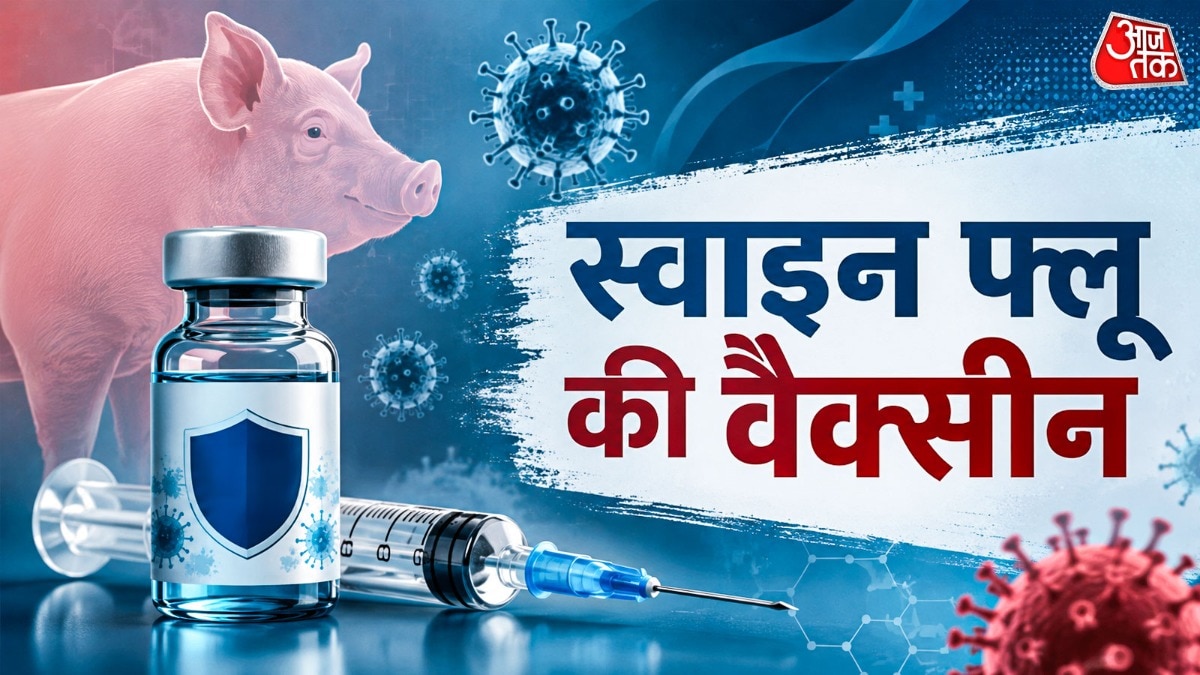
Multiple Indian states are experiencing an uptick in swine flu cases, with Delhi among the regions reporting increased H1N1 infections. Patients are presenting with characteristic symptoms including high fever, persistent cough, and difficulty in breathing, prompting public health concerns across affected areas.
Vaccines against swine flu are available and have been approved for use in India. The H1N1 vaccine is typically administered as an injection and is particularly recommended for high-risk populations including pregnant women, young children, individuals with chronic medical conditions, and elderly citizens. Healthcare workers and those in frequent contact with vulnerable populations are also encouraged to seek vaccination.
The timing of vaccination is important for maximum effectiveness. Health authorities recommend that individuals, particularly those in vulnerable categories, get vaccinated before the onset of peak flu season. Two doses may be required for optimal protection, depending on the specific vaccine formulation and individual circumstances.
Citizens seeking vaccination should consult with their healthcare providers or visit authorized health facilities to determine eligibility and scheduling. In addition to vaccination, public health officials continue to emphasize standard preventive measures including regular handwashing, respiratory hygiene, and avoiding close contact with symptomatic individuals.