World · India Bureau
Swiss Alpine village braces for potential landslide as glaciers thaw
Climate change-driven permafrost melt threatens Kandersteg in Switzerland, where unstable mountain terrain poses a significant landslide risk to 1,300 residents. Authorities have activated comprehensive monitoring and evacuation protocols to manage the evolving hazard.
LSN India ·
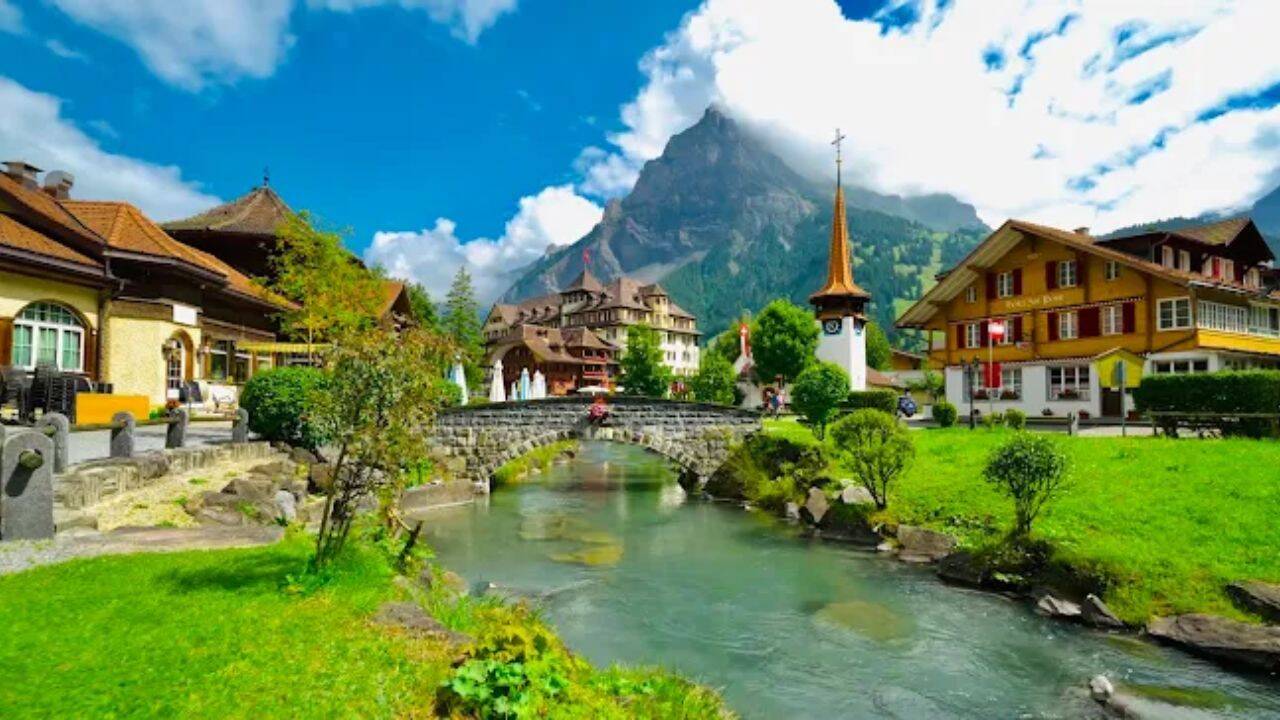
Kandersteg, a village nestled in the Swiss Alps, faces a growing geological threat as warming temperatures destabilize massive rock formations on adjacent peaks. Scientists have attributed the increased danger to the thawing of permafrost and shifting glacier dynamics—consequences of accelerating climate change in high-altitude regions. The unstable mountain mass presents a potential hazard to the community, though experts indicate that immediate evacuation is not necessary.
Swiss authorities have responded by implementing sophisticated monitoring systems and detailed evacuation plans to protect the 1,300 villagers who call Kandersteg home. The precautionary measures reflect a broader shift in how Alpine communities are adapting to climate-related geological risks. Local officials have kept residents informed about the potential dangers and the safety infrastructure now in place.
Despite the uncertainty, residents of Kandersteg have maintained calm and confidence in the protective measures established by authorities. The situation underscores a critical challenge facing mountain communities across the globe, where climate-induced thawing of glaciers and permafrost is creating new hazards and forcing adaptation strategies.
Geologists continue to monitor the Alpine rock formation closely, tracking movements and environmental changes that could signal shifting risk levels. The Kandersteg case has become emblematic of how climate change is reshaping the natural hazard landscape in Europe's mountain regions.