World · World News Bureau
Swiss glaciers face record ice loss amid accelerating climate change
Switzerland's alpine glaciers experienced catastrophic melting this year, raising concerns about freshwater availability across the region. The unprecedented ice loss reflects the intensifying impact of global warming on Europe's water resources.
LSN World News ·
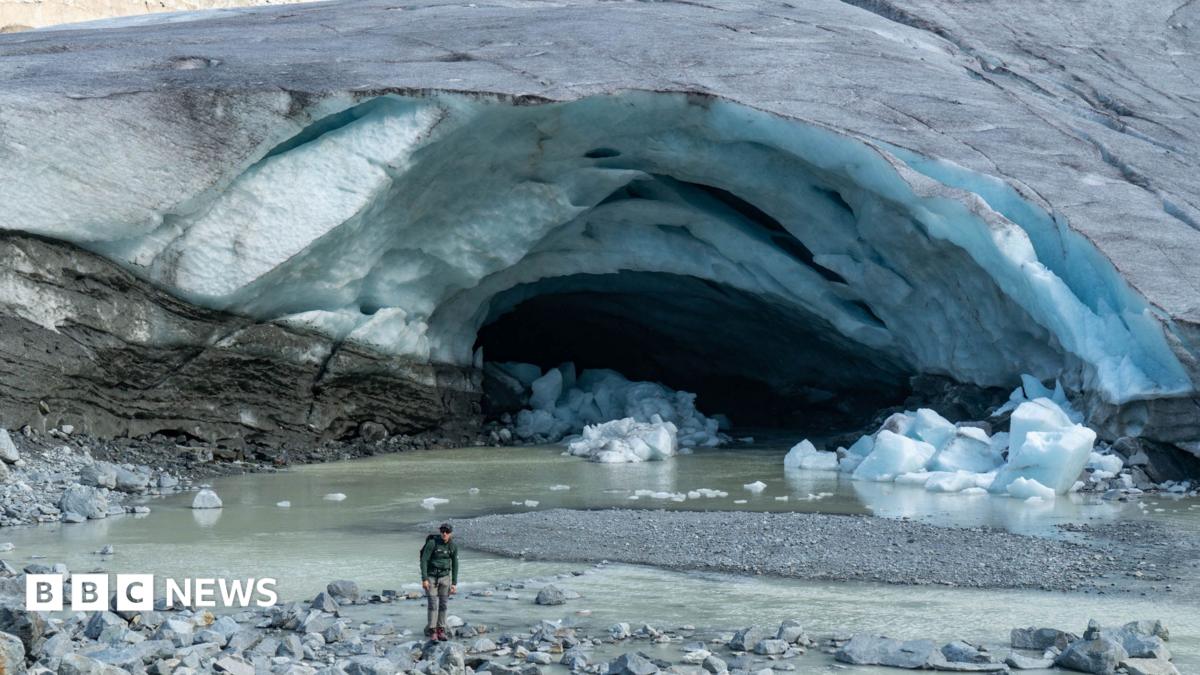
Swiss glaciers have undergone severe contraction in recent months, with scientists documenting levels of ice loss that underscore the accelerating effects of climate change on the country's mountainous terrain. The rapid melting poses significant risks to water supplies that depend on glacial runoff, affecting agricultural, industrial and residential consumption across Switzerland and downstream regions.
Researchers attribute the dramatic retreat to persistently elevated temperatures and changing precipitation patterns consistent with broader climate trends. The phenomenon is no longer considered anomalous within the context of current warming trajectories, but rather reflects the new normal for alpine environments facing sustained atmospheric heating.
The implications extend beyond Switzerland's borders, as glacial melt patterns influence water availability across Central Europe. Hydrological systems calibrated around historical ice volumes now face unpredictability as seasonal runoff patterns shift and overall glacier mass continues its downward trajectory.
The situation underscores mounting pressure on policymakers and water managers to adapt infrastructure and conservation strategies to account for diminishing glacial reserves. Environmental officials have begun reassessing long-term water security projections as climate models indicate further acceleration in ice loss throughout the coming decades.