World · Malaysia Bureau
Swiss glaciers lose fifth of mass in just five years
Switzerland's glaciers are melting at an accelerating pace due to climate change, with new data showing they have shed a quarter of their total mass over the past decade. The rapid loss underscores how alpine regions are among the most vulnerable areas to global warming.
LSN Malaysia ·
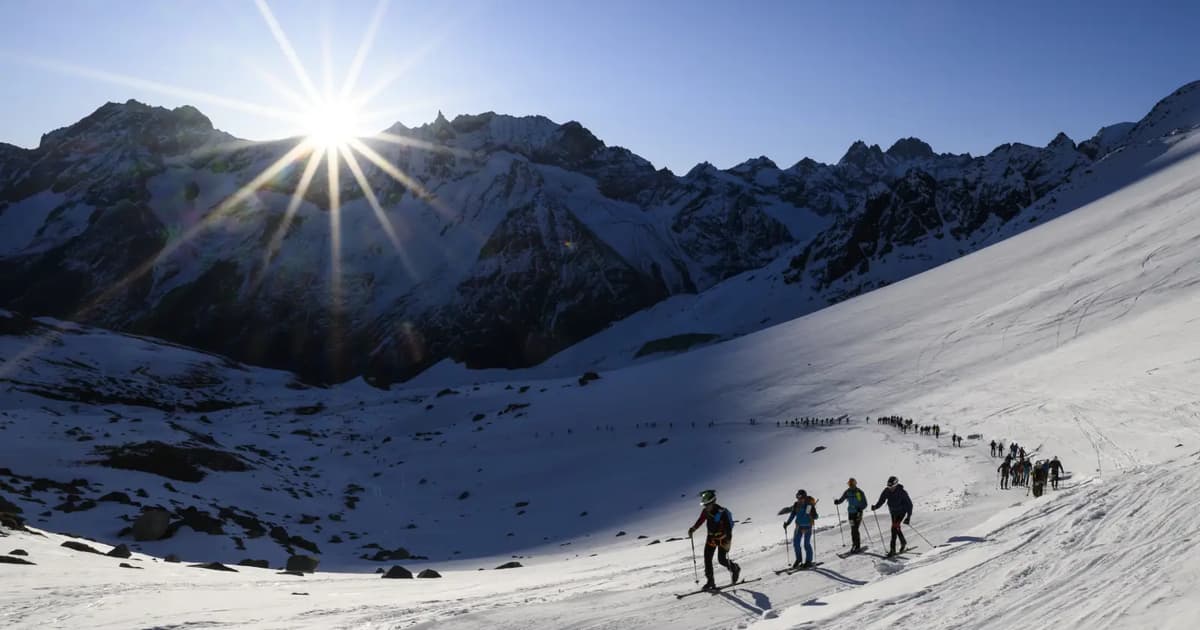
Swiss glaciers have lost approximately one-fifth of their remaining mass in the past five years alone, according to recent measurements, marking a dramatic acceleration in melting rates driven by climate change. The alarming trend reflects a broader pattern across the alpine region, where glaciers have shed 27 percent of their total mass over the past decade as warming temperatures intensify seasonal thaw cycles.
The disproportionate impact on Swiss glaciers highlights how mountainous regions and high-altitude areas are experiencing the effects of global warming at a faster rate than lower-lying regions. As temperatures continue to rise, the rate of glacier retreat is expected to accelerate further, with significant implications for water supplies, hydroelectric power generation, and ecosystems that depend on glacial systems.
Glacier loss in the Alps has become a visible marker of climate change, with dramatic photographic evidence showing the retreat of ice fields that have persisted for centuries. Scientists warn that without substantial reductions in greenhouse gas emissions, many Swiss glaciers could disappear entirely within decades, fundamentally altering the landscape and hydrology of the region.
The accelerating melt poses challenges not only for Switzerland but for downstream communities across Europe that depend on glacial water supplies. Environmental groups have called for urgent climate action to slow the rate of warming and preserve what remains of Europe's glacial heritage.