World · World News Bureau
Swiss glaciers shed record ice volume in heat-driven 'catastrophic year'
Switzerland's glaciers have experienced unprecedented melting in 2023, losing approximately 5 percent of their total ice volume as successive heatwaves swept across the Alpine nation. Scientists are sounding alarms over the accelerating retreat of glaciers that have endured for centuries.
LSN World News ·
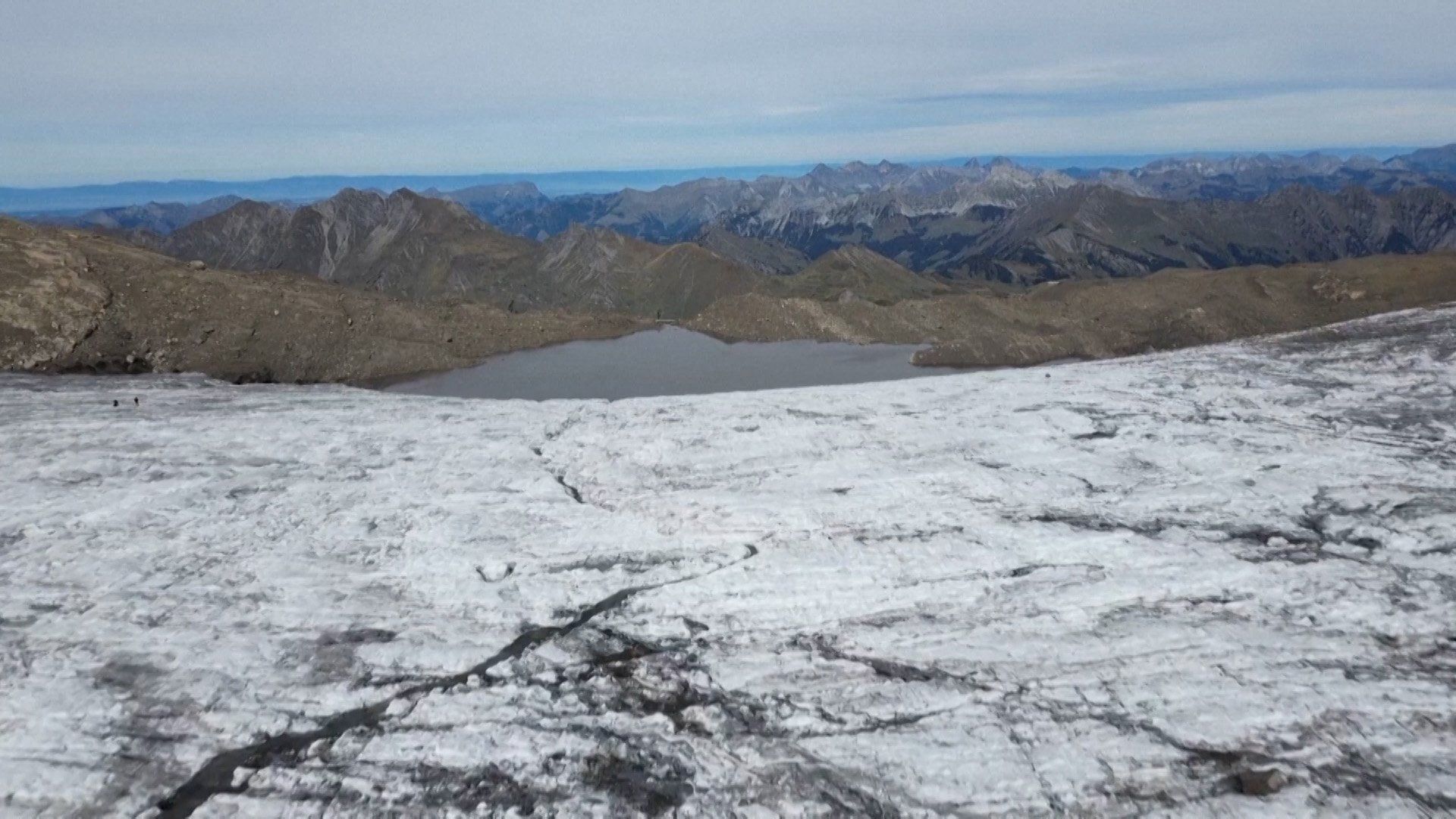
Swiss researchers conducting annual glacier surveys have documented what they describe as a catastrophic year of ice loss, with the country's glaciated regions shedding an enormous volume of frozen water during an exceptionally warm season. The 5 percent reduction represents one of the most significant single-year losses recorded in modern scientific observations, underscoring the rapid pace of climate change affecting the Alpine region.
Multiple intense heatwaves that dominated European weather patterns throughout 2023 created sustained conditions far above historical norms, accelerating surface melting and triggering deeper structural changes within glacier systems. The phenomenon reflects broader trends observed across high-altitude regions worldwide, where rising temperatures are fundamentally altering precipitation patterns and seasonal ice dynamics.
Glaciers serve as critical freshwater reservoirs for downstream communities and provide vital data for climate research. The scale of this year's retreat has prompted renewed concern among hydrologists and environmental specialists about long-term water availability and the cascading ecological impacts of sustained glacier loss across the Alpine ecosystem.
Scientists indicate that without significant shifts in global emissions trajectories, continued rapid glacier decline should be anticipated in coming years, with profound implications for Switzerland's landscape, water resources, and tourism sectors that depend on the iconic alpine glaciers.