World · India Bureau
Swiss voters reject proposal to strengthen neutrality stance
Swiss voters have decisively rejected a ballot initiative that would have severely restricted the country's ability to impose independent sanctions. The proposal would have required UN approval for all sanctions measures, effectively giving Russia veto power over Swiss policy decisions.
LSN India ·
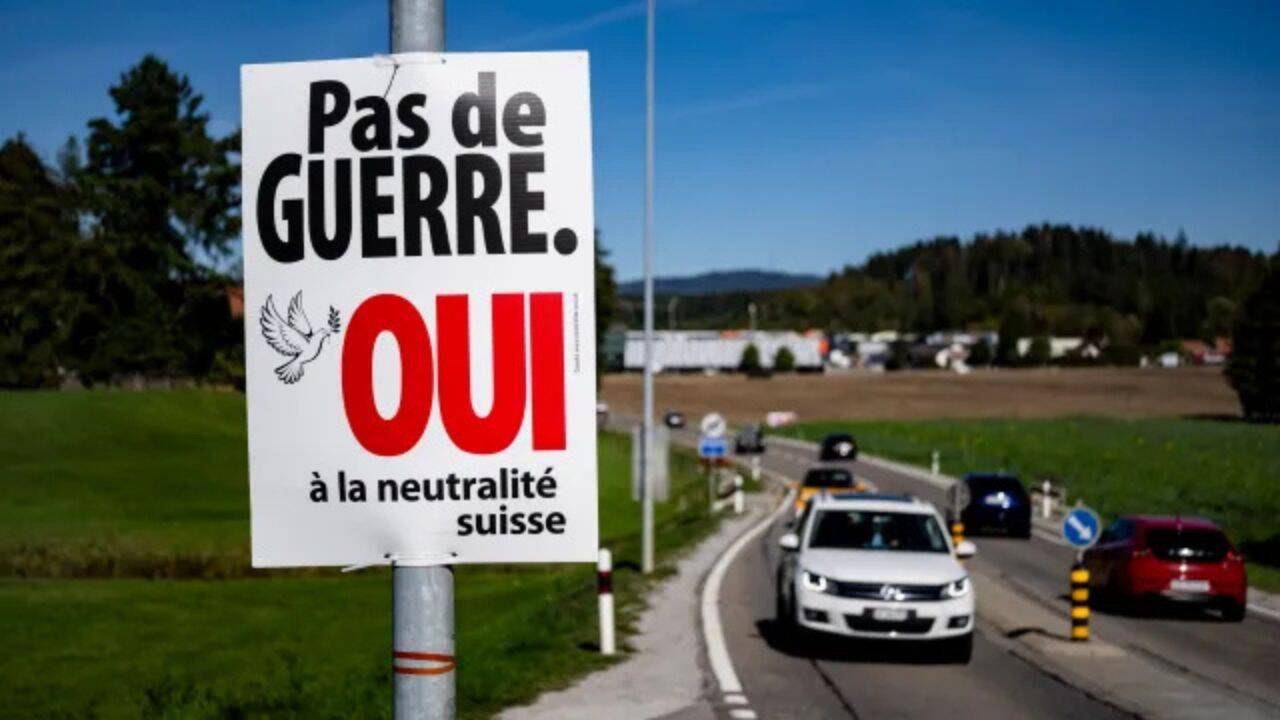
Switzerland's electorate voted down a controversial initiative aimed at reinforcing the nation's traditional neutrality, with approximately 70 percent of voters rejecting the measure in a referendum. The proposal would have fundamentally altered Switzerland's approach to international sanctions by requiring that any punitive measures against other nations first receive approval from the United Nations Security Council.
Under the proposed rules, Switzerland would have been unable to impose sanctions unilaterally or in coordination with other countries outside the UN framework. This restriction would have had significant practical implications, particularly regarding responses to major international crises where Security Council consensus proves difficult to achieve.
The timing of the referendum has particular relevance given geopolitical developments in Eastern Europe. Russia, as one of the five permanent members of the UN Security Council, holds veto power over all council decisions. This structural reality meant that the initiative would have effectively granted Moscow the ability to block Swiss sanctions measures, a prospect that troubled Swiss policymakers and voters alike.
The referendum result underscores Swiss public support for maintaining flexibility in foreign policy while preserving the nation's international standing. Switzerland has historically balanced its neutrality commitments with participation in multilateral institutions and international law frameworks. The vote suggests citizens prefer this nuanced approach to a more restrictive interpretation of neutrality obligations.