World · World News Bureau
Syrian civil society faces uncertain future as state rebuilds post-Assad
Syria's civic organisations are navigating a delicate transition as state institutions reassert authority following Bashar al-Assad's ouster. The shift raises fundamental questions about whether civil groups will become genuine partners in reconstruction or face renewed constraints.
LSN World News ·
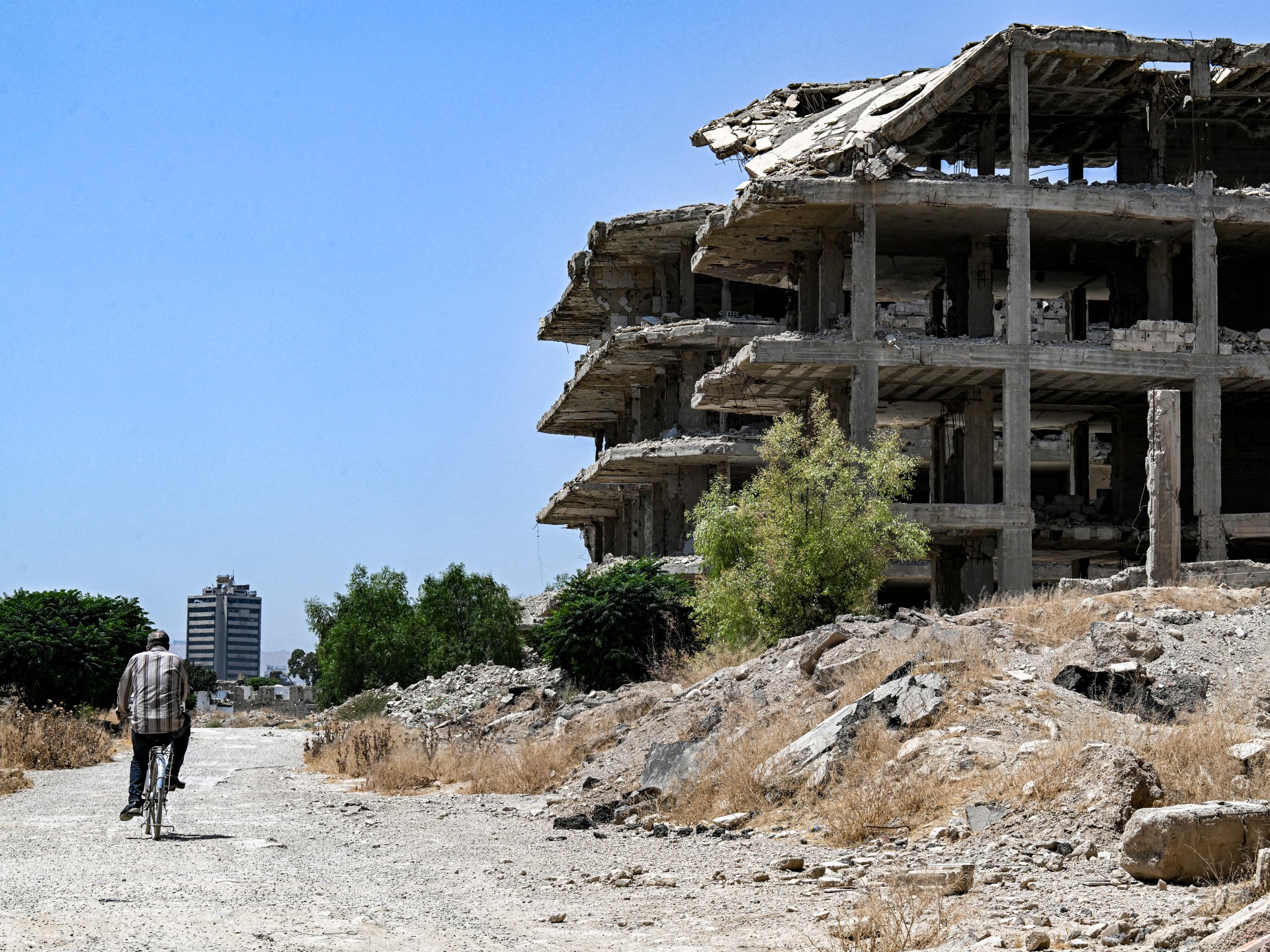
Syria's civil society organisations, which expanded their presence during years of conflict and state fragmentation, now confront a complex realignment as central authority begins to consolidate in the post-Assad period. These groups—spanning humanitarian relief, education, healthcare, and community services—built significant operational capacity in areas where government presence had collapsed, filling critical gaps in service delivery and governance.
The transition presents competing possibilities for these organisations. Some officials and observers envision a collaborative framework where civil society institutions contribute expertise and grassroots networks to Syria's reconstruction efforts. Others in the sector express caution about whether newly empowered state structures will genuinely integrate independent civic voices or simply absorb their functions while limiting autonomy.
Historical precedent weighs heavily on these deliberations. Syria's civil society operated under severe restrictions during the Assad era, with independent organisations monitored closely or excluded entirely from policy formation. The current moment offers an opportunity to establish more pluralistic governance frameworks, though formal mechanisms for such integration remain undefined.
Key questions centre on resource allocation, regulatory oversight, and decision-making authority. Civil society leaders are engaging with transitional authorities to clarify the legal and operational parameters within which they may function, while advocating for genuine partnership in designing reconstruction policies. The outcome will likely shape Syria's broader trajectory toward either inclusive governance or reasserted state control under different management.