Politics · World News Bureau
Syrian tunnel transforms into museum documenting chemical weapons attack
A network of underground passages used by civilians during the 2013 siege of Ghouta has been converted into a memorial space documenting one of the deadliest chemical weapons incidents of the Syrian conflict.
LSN World News ·
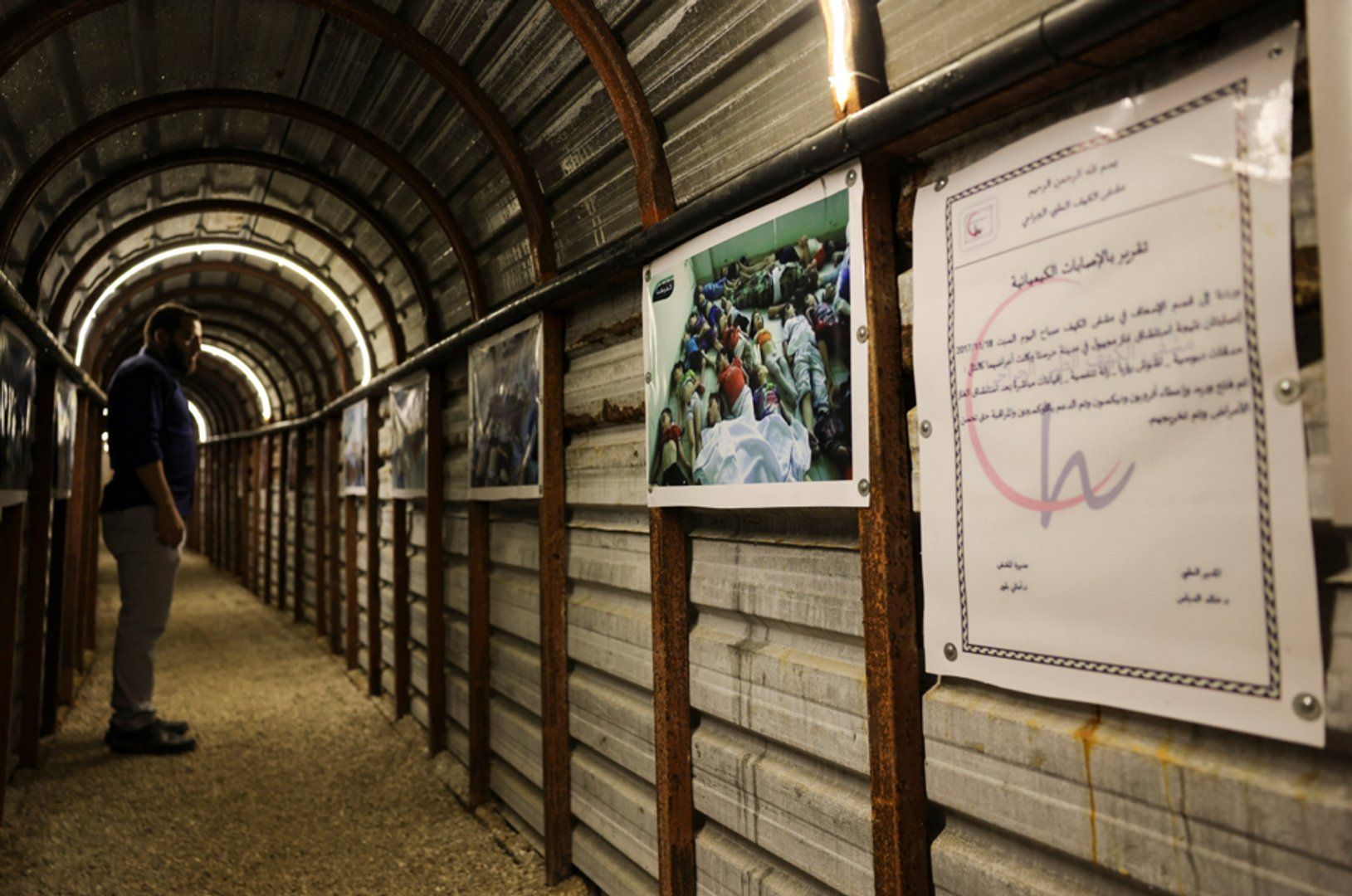
The tunnel system, which snakes beneath the Damascus suburb of Ghouta, once served as a lifeline for residents trapped during government forces' prolonged siege. Over a decade after the assault that left thousands dead, the passages have been preserved and repurposed as a museum dedicated to documenting the atrocities witnessed in the region.
On August 21, 2013, government forces launched a sarin gas attack on the Eastern Ghouta enclave held by opposition groups, killing hundreds of civilians in what became one of the most documented chemical weapons incidents in modern warfare. The attack prompted international outcry and threatened military intervention by Western powers, though no formal action was ultimately taken.
The underground network, once used to shelter residents and move supplies past government artillery, now houses exhibits and documentation of the siege and chemical attack. The conversion reflects growing efforts across Syria to preserve sites of conflict and commemorate the suffering endured by civilian populations during the country's devastating civil war.
The Ghouta siege lasted from 2013 to 2018, creating severe humanitarian conditions as residents faced bombardment and starvation. The tunnel museum stands as a physical reminder of the infrastructure of survival that residents constructed under extraordinary duress.