World · Malaysia Bureau
Tabung Haji Losses Spark Calls for Accountability Beyond Depositors
Public concerns are mounting over who bears responsibility for financial losses at Malaysia's pilgrimage fund, with critics questioning whether depositors should continue shouldering the burden alone.
LSN Malaysia ·
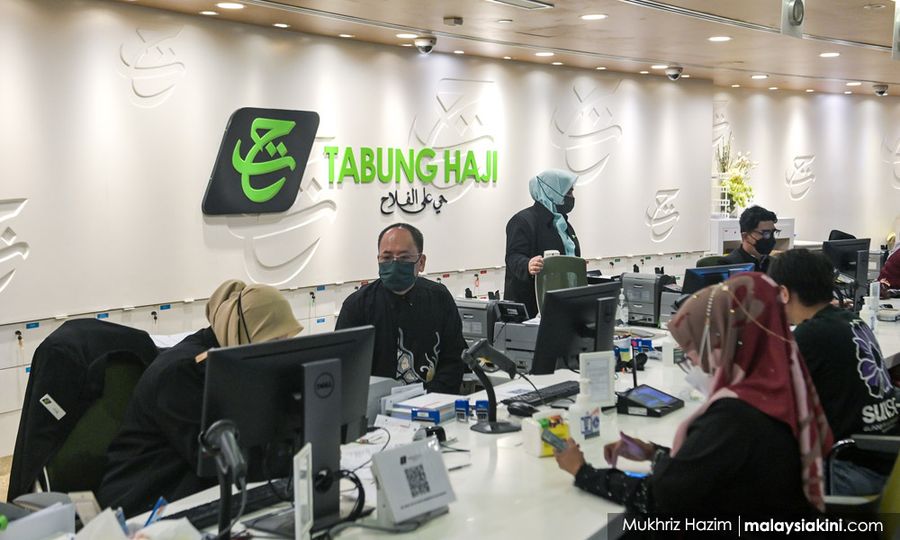
Questions are intensifying about accountability structures at Tabung Haji as the Islamic pilgrimage fund grapples with significant financial challenges. Observers have highlighted a pattern where losses appear to be consistently absorbed by ordinary depositors, raising concerns about the distribution of responsibility within the institution's governance framework.
The debate centres on whether current mechanisms adequately protect depositors' interests while ensuring that management and institutional leadership face appropriate consequences for financial underperformance. Critics argue that a sustainable resolution requires examining not only what went wrong, but also where responsibility should ultimately rest.
Tabung Haji, which manages savings for Malaysian Muslims preparing for the hajj pilgrimage, plays a crucial role in the financial lives of hundreds of thousands of Malaysians. The fund's operational challenges have drawn attention to broader questions about oversight, governance standards, and the distribution of financial risk across all stakeholders.
Stakeholders are increasingly vocal that any path forward must address systemic accountability issues and establish clearer lines of responsibility across management, regulators, and institutional frameworks. The matter reflects wider public expectations for transparency and equitable risk-sharing in major financial institutions serving the Muslim community.