Business · Singapore Bureau
Taiwan fund managers exit sector to pursue personal trading opportunities
A growing number of professional fund managers in Taiwan are leaving their positions to trade independently as regulatory restrictions on personal investment accounts and workplace compliance requirements push them towards self-directed investing.
LSN Singapore ·
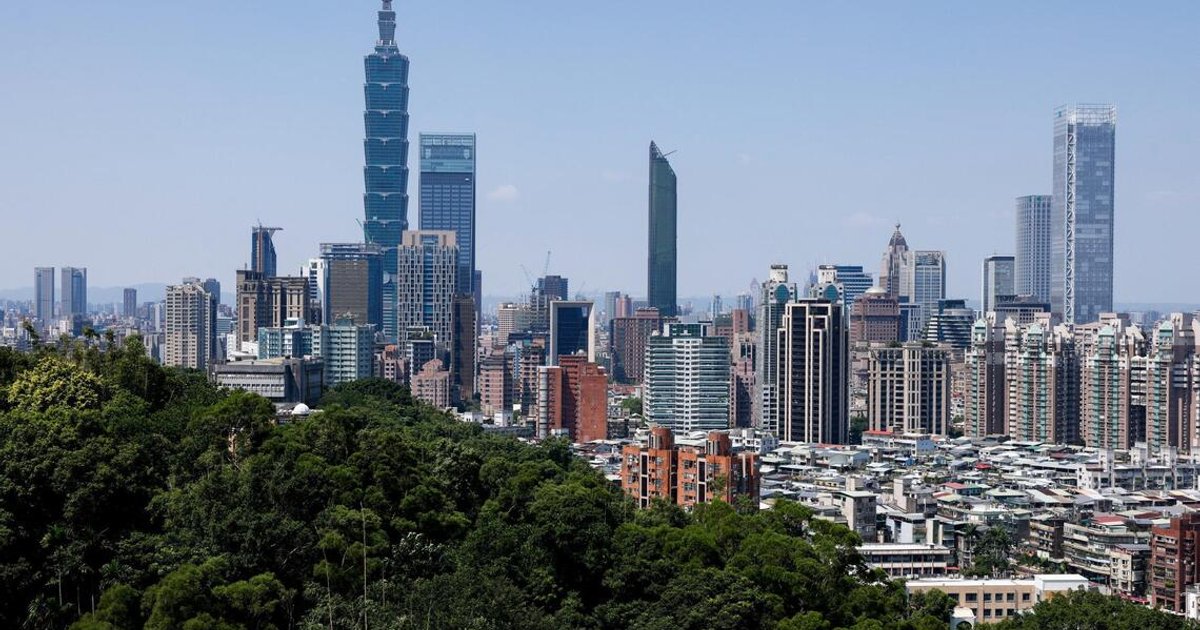
The exodus of fund managers from Taiwan's asset management industry reflects mounting frustration with operational constraints that limit personal trading activities. Workers in the sector face stringent compliance checks and restrictions on personal account trading, creating friction between institutional oversight and individual investment ambitions.
The timing of departures coincides with a sustained rally in Taiwan's equity markets, which has attracted retail and professional investors seeking to capitalize on market gains. For experienced fund managers with market acumen and established trading networks, the opportunity to manage personal capital without institutional constraints represents a compelling alternative to traditional employment.
Regulatory frameworks governing fund manager conduct are designed to prevent conflicts of interest and ensure client protection. However, these same measures have created barriers to personal portfolio management, with compliance departments requiring disclosure of all trading activity and imposing blackout periods on individual transactions.
The trend underscores broader challenges facing financial firms in retaining talent amid competitive pressures and regulatory burdens. Asia's financial centers are increasingly grappling with talent retention as high-performing professionals seek greater autonomy and reduced compliance overhead in independent trading roles.
While the scale of departures remains unclear, asset managers in Taiwan are confronting questions about how to balance client interests with employee satisfaction, particularly during periods of strong market performance when alternative opportunities appear most attractive.