World · World News Bureau
Taiwan's KMT grapples with internal tensions as major powers watch closely
Taiwan's opposition Kuomintang party faces mounting internal divisions that have drawn scrutiny from both Washington and Beijing, underscoring the island's complex political dynamics amid cross-strait tensions.
LSN World News ·
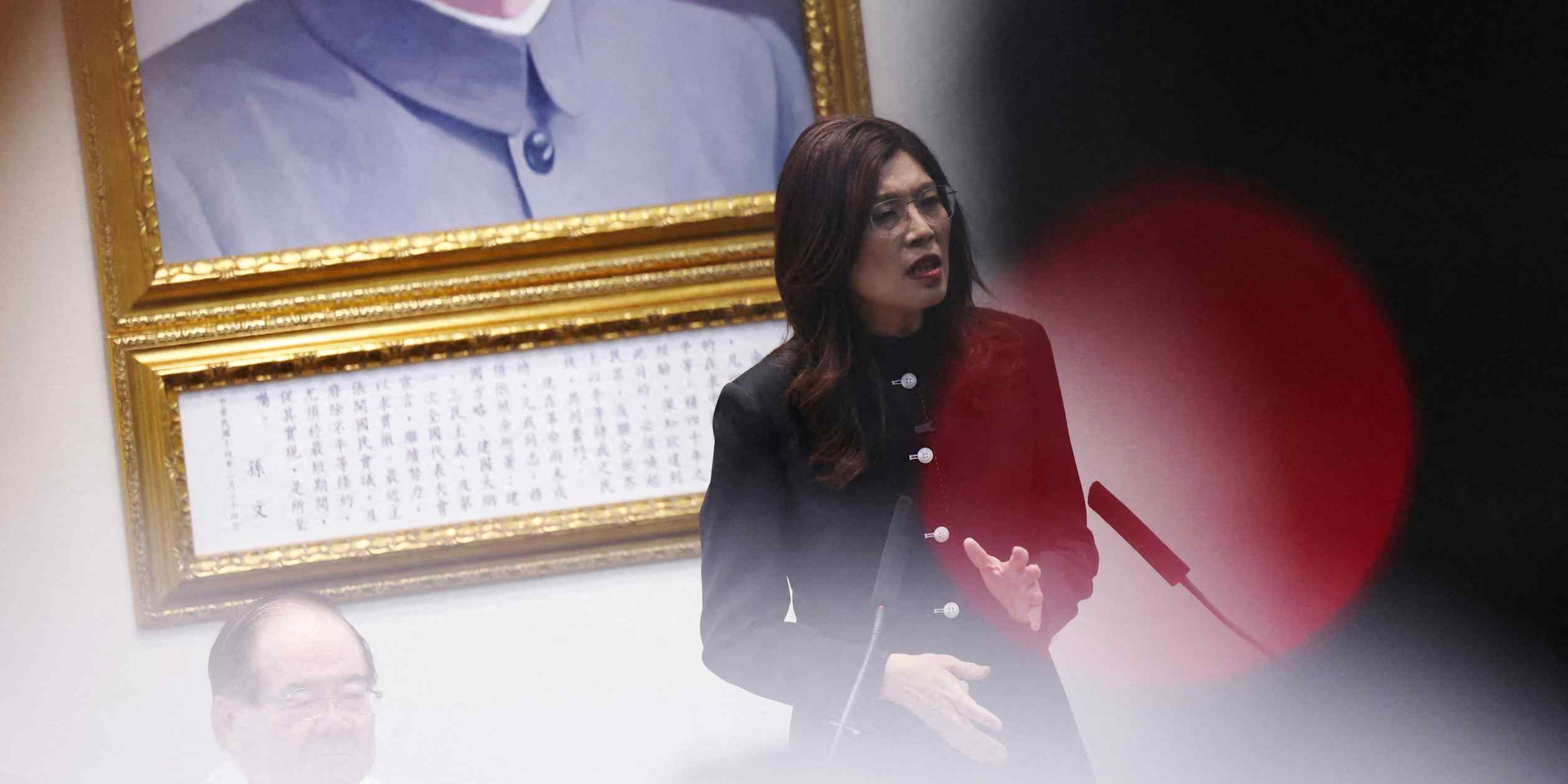
Taiwan's main opposition party, the Kuomintang (KMT), is experiencing visible rifts within its leadership ranks, a development being closely monitored by the United States and China as both seek to understand the trajectory of Taiwan's political landscape. The power struggles emerging within the party reflect broader tensions over direction and strategy, particularly regarding cross-strait relations and domestic policy priorities.
The internal conflicts have surfaced amid shifting political alliances and competing visions for the party's future leadership. Multiple factions within the KMT have articulated different approaches to engagement with Beijing and Taiwan's relationship with Washington, creating friction among senior party figures and local organizations.
U.S. and Chinese officials have taken note of the developments, viewing the KMT's internal stability as relevant to their respective strategic interests in the Taiwan Strait. The United States maintains close ties with Taiwan's political establishment, while Beijing regards Taiwan's opposition parties as potential channels for influence. The KMT, which historically maintained the "One China" framework before losing power in 2016, remains a significant force in Taiwan's electoral politics.
Analysts suggest the party's internal cohesion will likely impact its prospects in upcoming elections and its ability to present a unified alternative to the ruling Democratic Progressive Party. How the KMT resolves its internal differences could influence Taiwan's political direction in the coming years, particularly regarding economic policy, defense spending, and diplomatic positioning.