Politics · Malaysia Bureau
Taiwan's Lai calls for global chip cooperation amid AI surge
President Lai Ching-te has stressed the need for stronger international collaboration on semiconductor production to meet surging artificial intelligence computing demands. Taiwan aims to work with countries worldwide to diversify chip manufacturing and create a more resilient supply chain.
LSN Malaysia ·
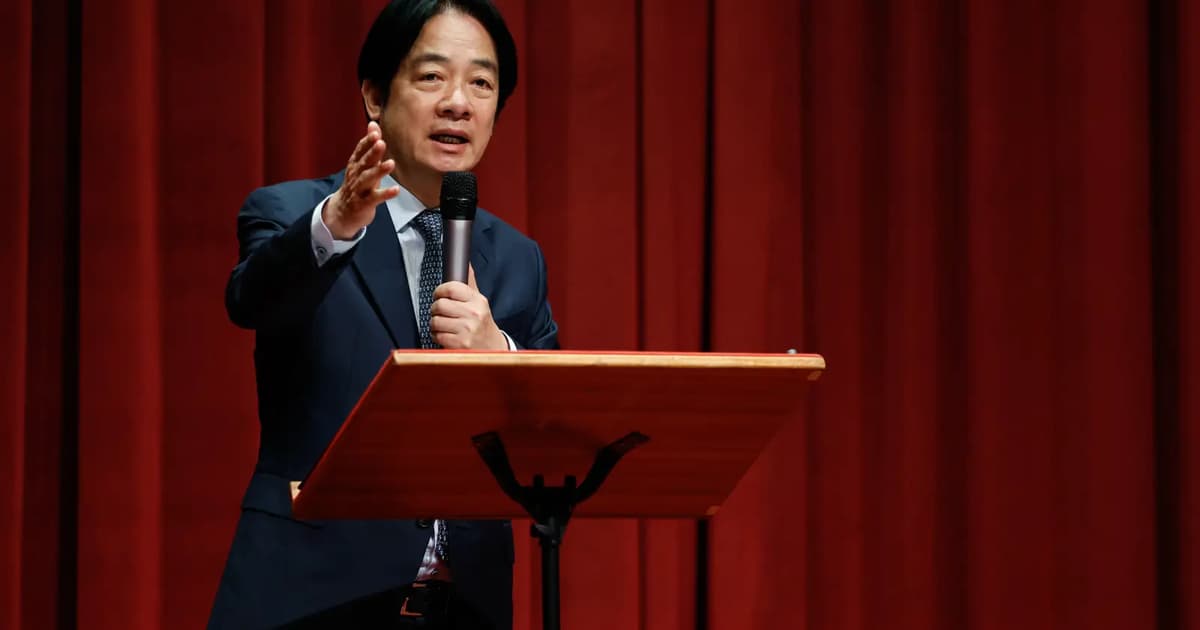
Taiwan's president has underscored the critical importance of global cooperation in the semiconductor industry as artificial intelligence applications drive unprecedented demand for computing power. Lai Ching-te highlighted that no single nation can meet the growing chip requirements driven by AI's rapid expansion, necessitating a coordinated international approach to production and distribution.
The remarks reflect Taiwan's strategic positioning as a major semiconductor manufacturer seeking to strengthen its role in global supply chains. By diversifying production across multiple countries, Taiwan aims to reduce vulnerabilities and ensure stable chip supplies for markets worldwide, including Southeast Asia.
Lai's emphasis on resilience comes amid ongoing geopolitical tensions and supply chain disruptions that have highlighted the risks of concentrating critical technology production in limited geographic areas. The proposed approach would involve partnerships with nations across different regions to distribute manufacturing capacity and reduce dependency on any single location.
The push for international cooperation signals Taiwan's willingness to engage with the global technology community while maintaining its competitive advantages in advanced chip production. Industry analysts suggest such diversification could benefit regional economies, including Malaysia, which has significant semiconductor operations and interests in supply chain stability.