Technology · World News Bureau
Taiwan's ruling party reconsiders nuclear power stance amid AI boom
Taiwan's Democratic Progressive Party is reassessing its long-standing opposition to nuclear energy as the island confronts mounting electricity demands from artificial intelligence and semiconductor industries. The policy shift reflects growing concerns over grid stability and energy security in a rapidly evolving technological landscape.
LSN World News ·
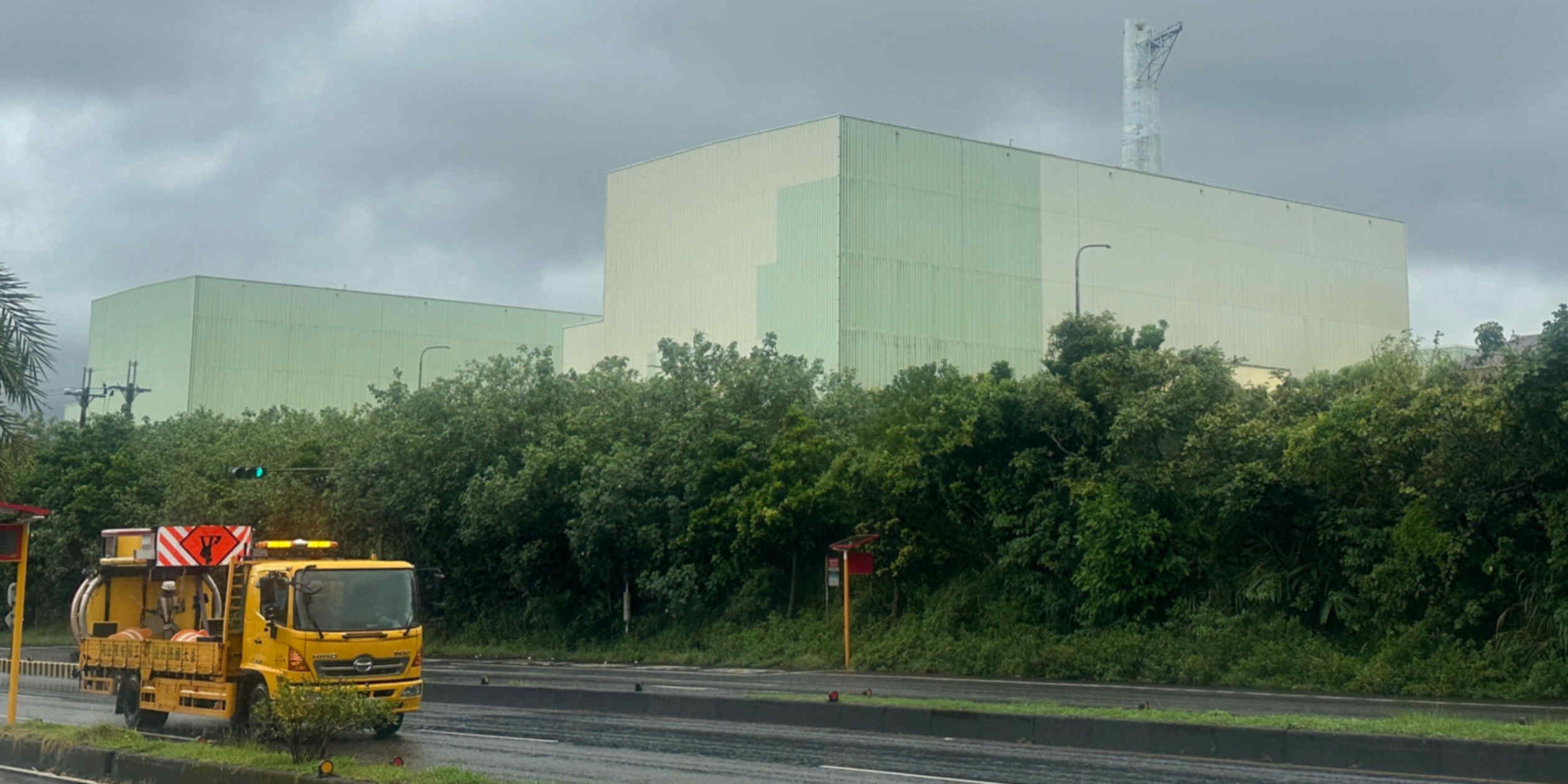
Taiwan's ruling Democratic Progressive Party, which has traditionally opposed nuclear power generation, is now openly debating the merits of atomic energy as the island grapples with surging electricity consumption driven by artificial intelligence data centers and chip manufacturing expansion.
The reconsideration marks a significant departure from the party's decades-long anti-nuclear platform, which culminated in a 2025 target for complete phase-out of the island's remaining nuclear reactors. However, escalating power demand from AI applications and the semiconductor sector has prompted policymakers to reassess whether conventional renewable sources can adequately meet the nation's energy needs.
Energy security concerns have intensified amid geopolitical tensions and Taiwan's reliance on imports for fossil fuels. Proponents of nuclear reconsideration argue that atomic power offers a reliable baseload energy source with minimal carbon emissions, positioning Taiwan competitively in global tech markets while achieving climate objectives.
The debate reflects broader tensions between environmental commitments and economic pragmatism. While renewable energy expansion continues, officials acknowledge that solar and wind capacity alone may prove insufficient to power Taiwan's growing number of AI facilities and maintain industrial competitiveness.
The party's policy shift remains preliminary, with formal decisions pending further technical and environmental assessments. Any reversal on nuclear phase-out would require legislative action and public consultation, ensuring continued political debate over Taiwan's energy future.