World · World News Bureau
Taiwan's security council emerges as key architect of Beijing policy
Taiwan's National Security Council has increasingly taken the lead in shaping the island's strategy toward China, operating with minimal public visibility despite its growing influence over cross-strait relations.
LSN World News ·
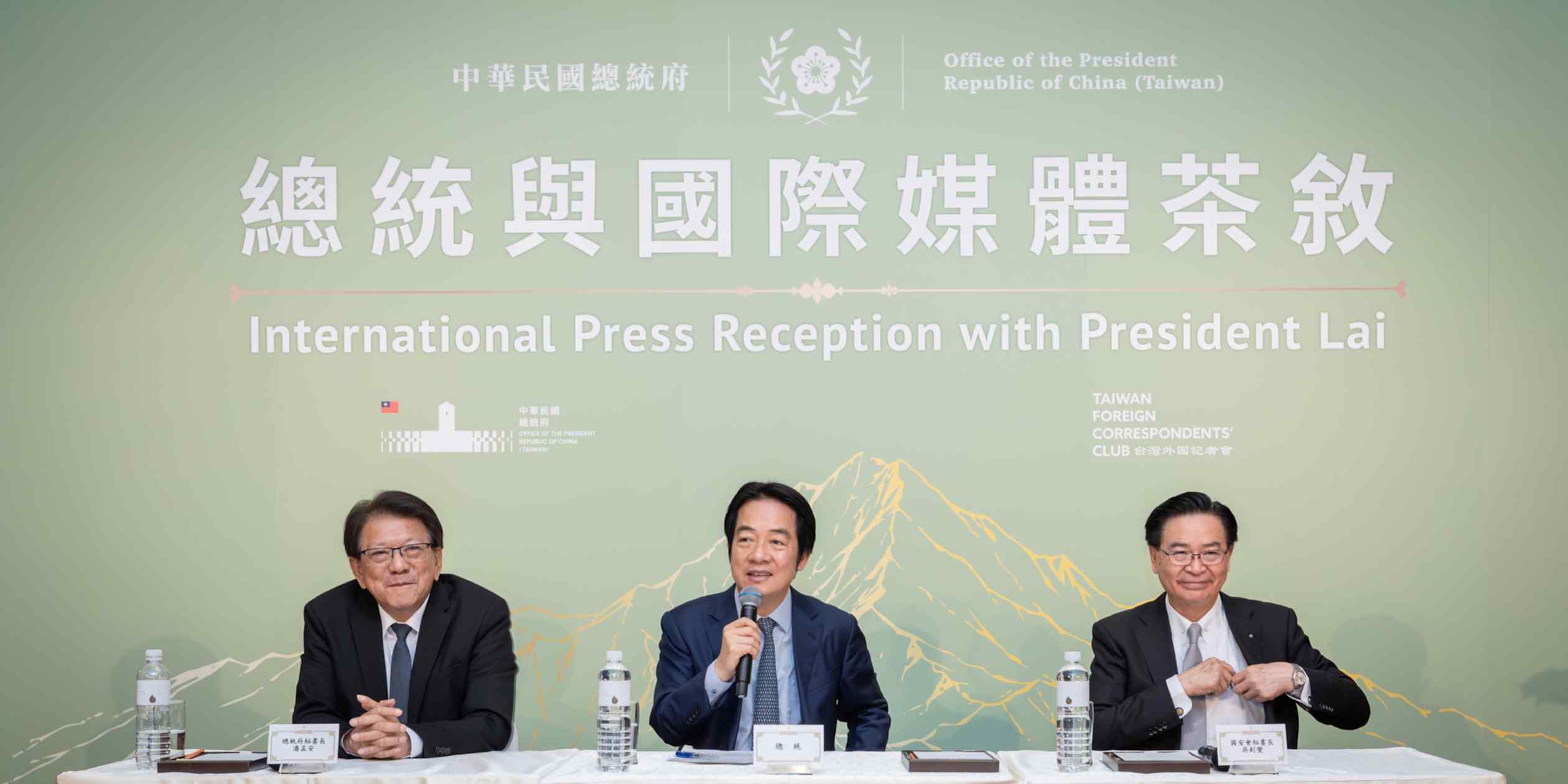
Taiwan's security establishment has undergone a quiet institutional shift, with the National Security Council consolidating authority over China policy at a time of heightened tensions across the Taiwan Strait. The council, traditionally a coordinating body among various agencies, has evolved into the primary architect of strategic decisions affecting Taiwan's approach to Beijing, according to observers tracking the island's governance structures.
This elevation reflects both the intensification of cross-strait challenges and a perceived need for more centralized decision-making on security matters. The council's expanded role encompasses policy coordination that previously involved broader consultation among Taiwan's defense, foreign affairs, and economic agencies, streamlining the process by which strategic options reach the island's top leadership.
The shift has occurred largely outside public scrutiny, with few formal announcements or policy papers detailing the institutional changes. Officials involved in Taiwan's security apparatus have noted the council's growing prominence in framing Taiwan's response to Chinese military activities, diplomatic pressures, and efforts to maintain the status quo.
The development carries implications for Taiwan's relations with major allies, particularly the United States, as changes in decision-making structures can affect how quickly Taiwan formulates responses to regional developments. Analysts suggest the trend reflects recognition that cross-strait affairs increasingly demand rapid, coordinated responses that centralized structures are better positioned to provide during periods of strategic uncertainty.