Business · World News Bureau
Tajikistan's growth masks vulnerabilities in debt-dependent economy
Tajikistan's rapid economic expansion obscures deep structural weaknesses, including heavy reliance on migrant remittances and mounting state debt that could threaten long-term stability. Experts warn the Central Asian nation faces mounting fiscal pressures that may constrain future growth.
LSN World News ·
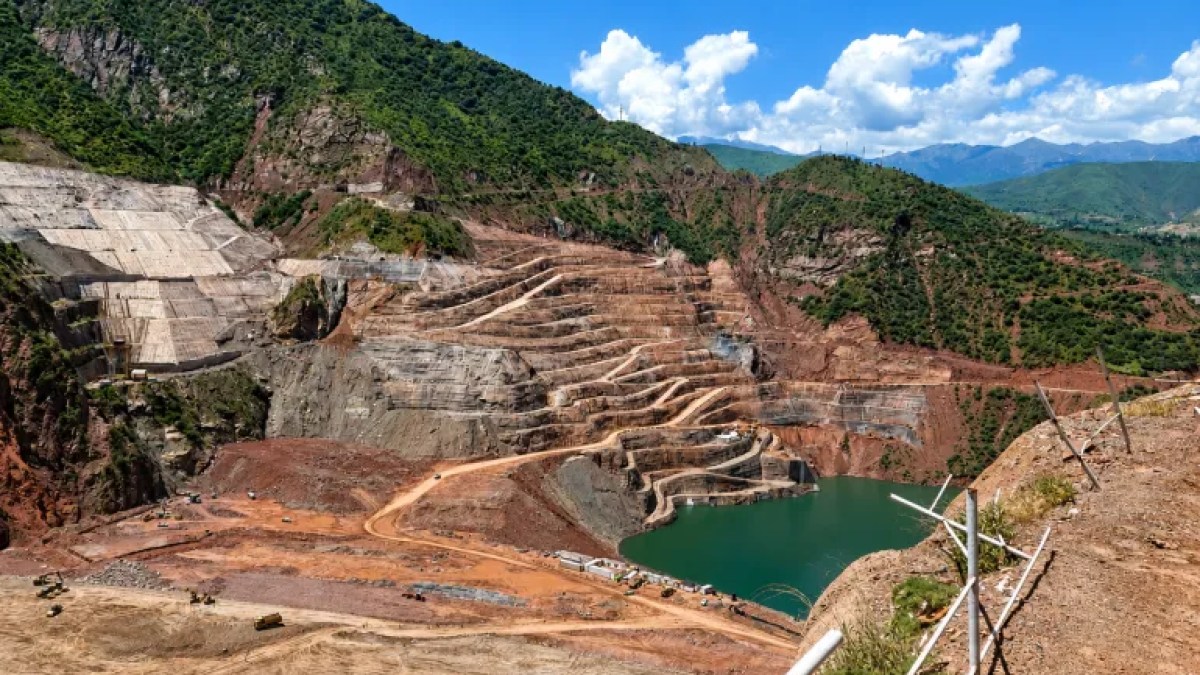
Tajikistan has posted impressive growth rates in recent years, attracting attention from investors and development agencies monitoring the region's economic trajectory. However, the strength of these figures masks significant underlying vulnerabilities that threaten to undermine the nation's financial foundation.
The economy remains heavily dependent on remittances from Tajik workers employed abroad, particularly in Russia. These transfers account for a substantial share of foreign currency inflows and household incomes, leaving the economy exposed to fluctuations in labor migration patterns and conditions in host countries. Meanwhile, the state has pursued an ambitious borrowing strategy to finance infrastructure and development projects, accumulating debt levels that analysts say require careful management.
Economists caution that the current growth trajectory is not sustainable without structural reforms. The combination of remittance dependency and rising state debt obligations creates a precarious balance that limits the government's fiscal flexibility. External shocks—whether from economic downturns in Russia or global commodity price shifts—could quickly expose the fragility underlying headline growth figures.
Policymakers face mounting pressure to diversify revenue sources and reduce reliance on external financing. Without substantive economic reforms to broaden the productive base and strengthen domestic revenue generation, Tajikistan's impressive growth rates may prove ephemeral, giving way to more challenging conditions in coming years.