Sport · Singapore Bureau
Taking On Colleagues' Tasks? Why Workplace Overload Is A Growing Concern
Many employees find themselves shouldering responsibilities beyond their job descriptions, raising questions about workload management and organizational efficiency. Career experts warn that this trend can lead to burnout and undermine professional boundaries.
LSN Singapore ·
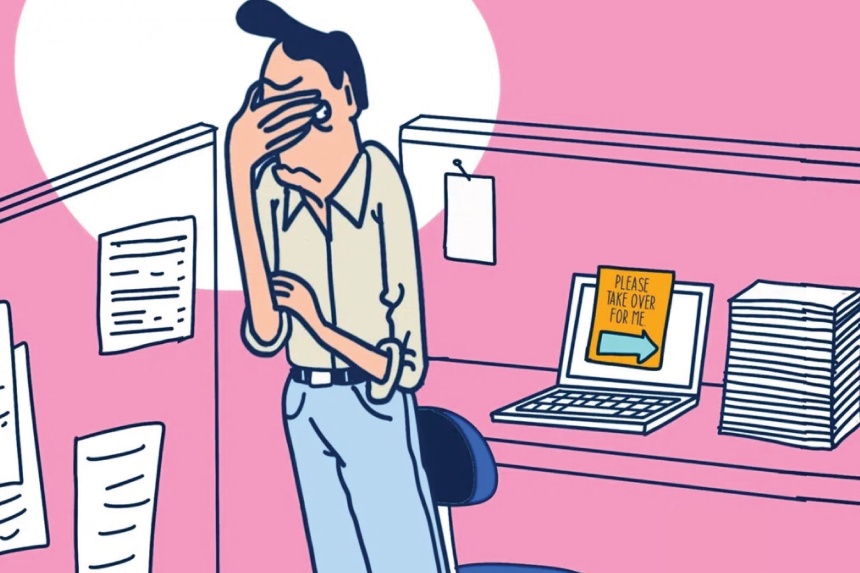
In modern workplaces across Singapore and the region, employees increasingly find themselves completing tasks that fall outside their designated roles. Whether driven by organizational understaffing, deadline pressures, or a desire to be seen as helpful, this practice has become commonplace—yet it carries significant implications for both individuals and businesses.
When workers routinely take on colleagues' responsibilities, the consequences can be far-reaching. Employees may experience heightened stress levels, reduced productivity on their core functions, and a blurred sense of professional boundaries. Over time, this can contribute to burnout and decreased job satisfaction, even among those motivated by a sense of workplace loyalty.
Organizations that rely on informal task-sharing without proper acknowledgment or compensation risk creating inefficiencies. When workloads remain unbalanced or invisible to management, it becomes difficult to address underlying staffing shortages or process failures. Additionally, such arrangements can breed resentment among team members and complicate performance evaluations and career progression.
Workplace experts recommend clear communication about role expectations and workload capacity. Managers should regularly assess whether employees are taking on excessive responsibilities and ensure that workload distribution aligns with organizational needs. Establishing transparent processes for task allocation and providing support for overburdened staff can help create a more sustainable and equitable work environment.
For individual employees, setting professional boundaries—while remaining collaborative—remains essential. Politely declining tasks outside one's remit and bringing concerns to management can help prevent burnout while signaling to employers where resources may be needed most.