Technology · World News Bureau
Talent shortage hampers Asia's artificial intelligence expansion drive
Technology companies across South and Southeast Asia face acute skills shortages as demand for artificial intelligence expertise outpaces the region's supply of qualified professionals. The bottleneck threatens to slow the expansion of AI initiatives across the technology sector.
LSN World News ·
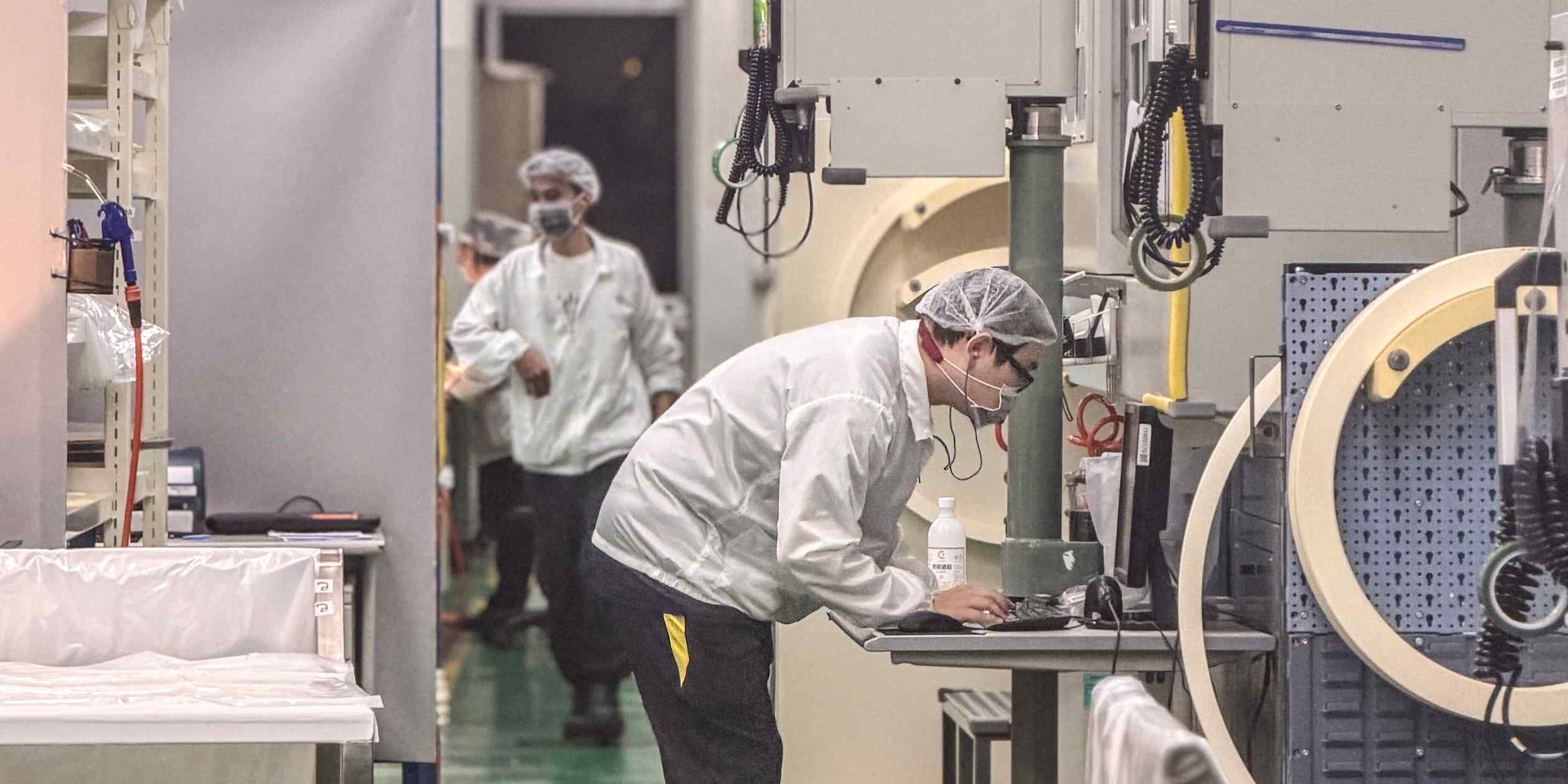
The rapid acceleration of artificial intelligence adoption across Asia has collided with a critical shortage of skilled workers, with technology firms struggling to find engineers, data scientists and AI specialists capable of implementing complex projects.
Industry analysts point to a widening gap between explosive demand for AI talent and the limited pool of professionals with relevant expertise. Universities and training institutions across the region have yet to produce graduates at sufficient scale to meet corporate hiring needs, while competition for existing talent has intensified among major technology companies and startups alike.
The shortage extends beyond purely technical roles. Companies report difficulty recruiting professionals with experience in machine learning operations, AI ethics, and other specialized subfields that have only recently emerged as distinct career paths. Multinational firms have begun recruiting talent from other regions, but visa restrictions and relocation challenges limit this strategy.
Regional governments and industry bodies have acknowledged the challenge, with several initiating education and training programs aimed at developing domestic AI talent pipelines. Technology companies are also investing in internal training initiatives and partnerships with educational institutions to cultivate the skilled workforce required to sustain their AI ambitions.
Unless the talent pipeline expands significantly, analysts warn that Asia's competitive position in the global artificial intelligence race could be compromised, with capability constraints potentially limiting the region's ability to capitalize on the technology's transformative potential.