World · India Bureau
Tamil Nadu faces acute water shortage as reservoir levels plummet
Tamil Nadu's major irrigation reservoirs are operating at critically low levels, with current storage at just one-third of combined capacity compared to 92% in the corresponding period last year. The state now depends heavily on the northeast monsoon to avert a severe water crisis.
LSN India ·
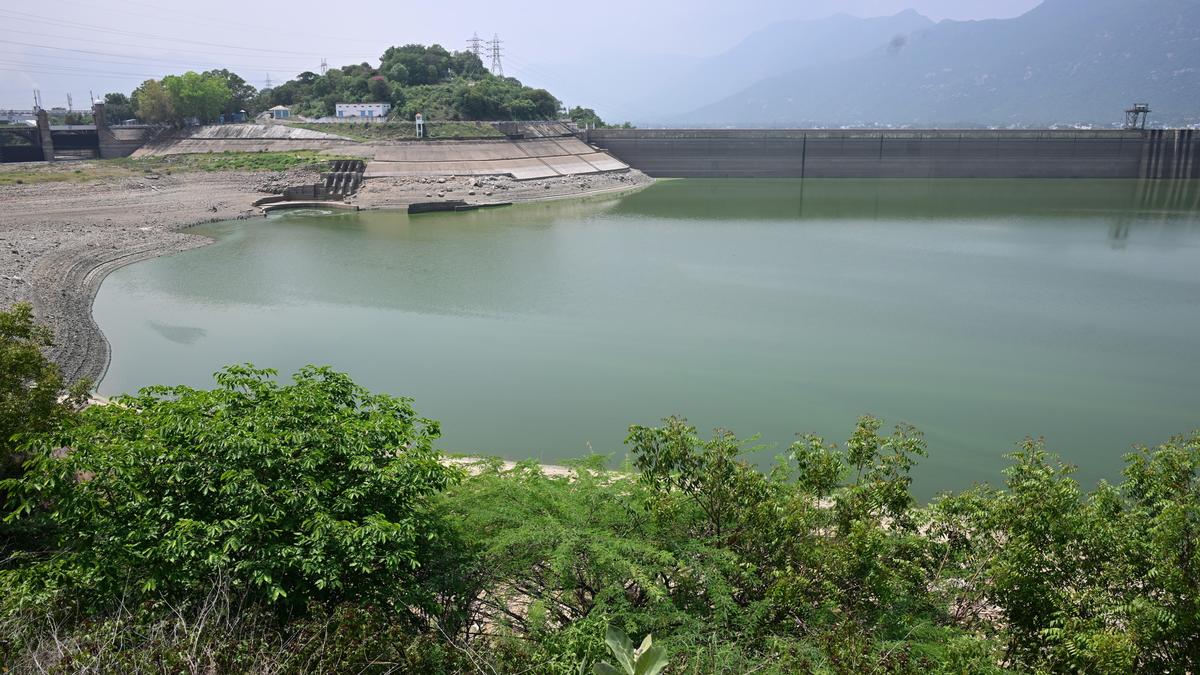
Tamil Nadu confronts a looming water scarcity as storage levels across its 15 principal irrigation reservoirs have dropped to worrying depths. Current aggregate storage stands at approximately one-third of the combined reservoir capacity, marking a sharp decline from the previous year's corresponding period, when storage levels hovered near 92%.
The dramatic shortfall underscores the state's vulnerability to monsoon failure and irregular rainfall patterns. With the dry season in full effect and reservoir levels depleting faster than anticipated, water managers across the state are bracing for potential supply constraints affecting both agriculture and domestic consumption.
The situation has heightened scrutiny on weather forecasts, with meteorologists predicting that the northeast monsoon—typically active from October through December—will be crucial in replenishing the depleted reservoirs. A robust monsoon performance could significantly ease the supply crisis, while a weak monsoon would exacerbate water stress across the state.
State irrigation authorities have begun assessing contingency measures, including potential restrictions on water release for irrigation and measures to conserve existing stocks. Agricultural stakeholders remain apprehensive about the implications for the upcoming crop season, as irrigation-dependent farming regions face an uncertain outlook.