Politics · India Bureau
Tamil Nadu power utility heavily dependent on state aid, data shows
Government support to the state's power distribution company has exceeded ₹2.55 lakh crore over the past 14 years, underlining the fiscal burden of operating the utility. The reliance on state funding through tariff subsidies and grants raises questions about the long-term financial sustainability of the discom.
LSN India ·
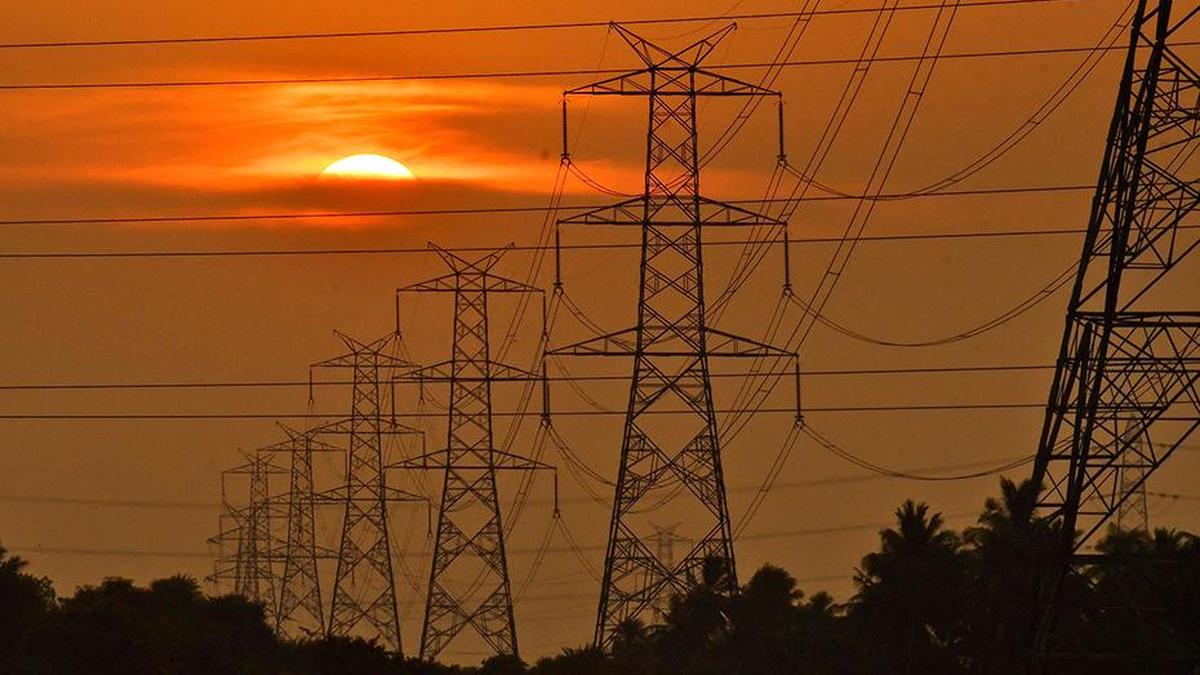
The power distribution company serving Tamil Nadu has remained deeply reliant on government financial assistance since 2013-14, with state support totalling ₹2.55 lakh crore over a 14-year period, according to available data. The substantial aid package comprises both tariff subsidies and grants designed to keep electricity rates affordable for consumers while maintaining the utility's operations.
This continued dependence on government funding highlights a structural challenge facing the state-owned distribution utility, which has struggled to operate profitably despite significant state intervention. The annual commitment of public resources to prop up the discom represents a considerable drain on the state's fiscal resources, diverting funds that could otherwise be allocated to other developmental priorities.
Industry analysts point to the gap between the cost of supplying electricity and the rates charged to consumers as a primary driver of the utility's financial difficulties. Technical losses in the distribution network and non-technical losses, including theft and billing inefficiencies, further compound the company's revenue shortfalls.
The state government has maintained its financial support as a policy measure to ensure affordable power supply across Tamil Nadu. However, the scale of the assistance required raises broader questions about whether structural reforms—including tariff rationalisation, operational efficiency improvements, and network modernisation—might reduce the discom's long-term dependence on state bail-outs.
Policymakers continue to grapple with balancing the need for affordable electricity with the fiscal sustainability of the distribution utility, a challenge that extends across many Indian states managing similar power sector dynamics.