Politics · India Bureau
Tamil Nadu's Dravidian parties grapple with internal rifts and dissent
Internal tensions within the AIADMK have intensified following disciplinary action against a senior leader, renewing focus on factional disputes that have periodically destabilized Tamil Nadu's major political organizations.
LSN India ·
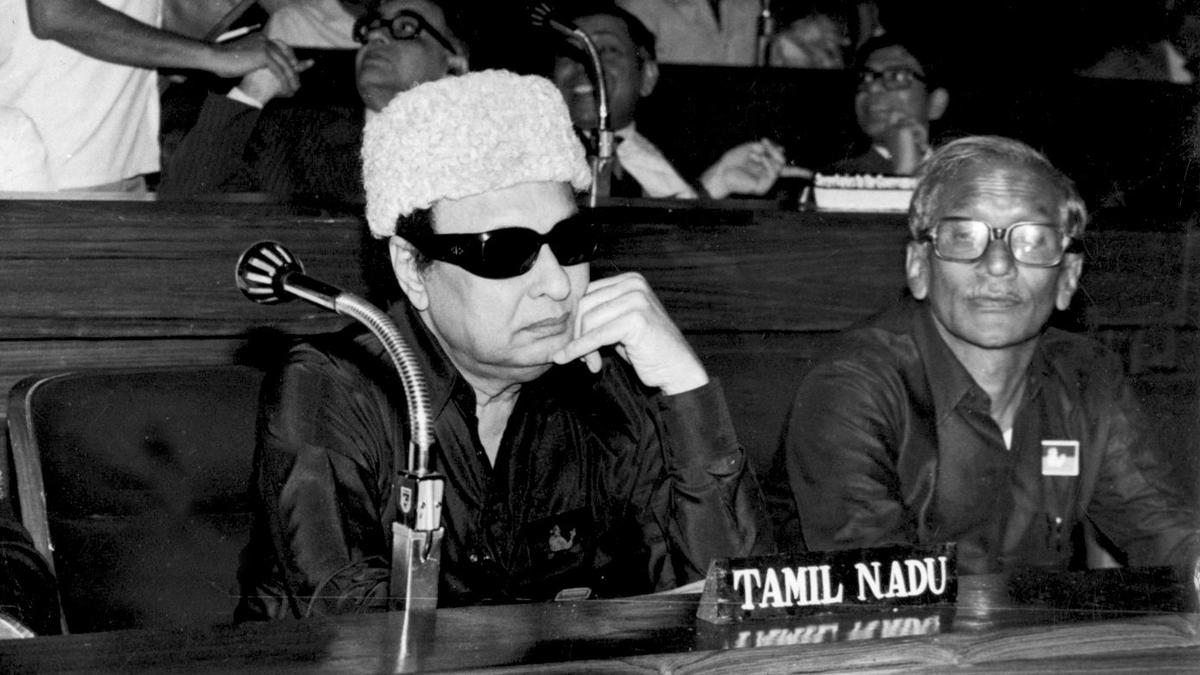
The AIADMK's decision to strip former School Education Minister K.A. Sengottaiyan of party positions after he called for the reinstatement of estranged leaders has reignited concerns about organizational cohesion within the faction-prone party. Sengottaiyan's removal underscores the persistent challenges that have plagued Tamil Nadu's two dominant Dravidian parties—the AIADMK and DMK—since their founding.
Internal upheavals have marked both organizations throughout their political history. The AIADMK, founded by M.G. Ramachandran, has experienced multiple schisms since his death, with competing power centers frequently clashing over ideology and succession. Similarly, the DMK has navigated its own episodes of organizational strain, though it has generally maintained greater structural stability through institutionalized leadership transitions.
Historical precedent suggests that such revolts within Dravidian parties often reflect deeper ideological or personal conflicts that extend beyond immediate grievances. Previous rebellions have resulted in party splits, electoral realignments, and shifts in regional political fortunes, demonstrating the high stakes of internal party management in Tamil Nadu politics.
Observers note that the current AIADMK tensions may signal broader questions about party discipline and the accommodation of dissenting voices within hierarchical structures. How the organization addresses such internal dissatisfaction could influence its electoral prospects and long-term viability in Tamil Nadu's competitive political landscape.