Politics · India Bureau
Tamil Nadu's Free Bus Scheme: Can Welfare Translate to Economic Gains?
Tamil Nadu's ambitious free bus travel initiative for women faces scrutiny over whether it delivers tangible economic benefits beyond political appeal. The scheme's success will depend on converting daily ridership into measurable improvements in employment and income.
LSN India ·
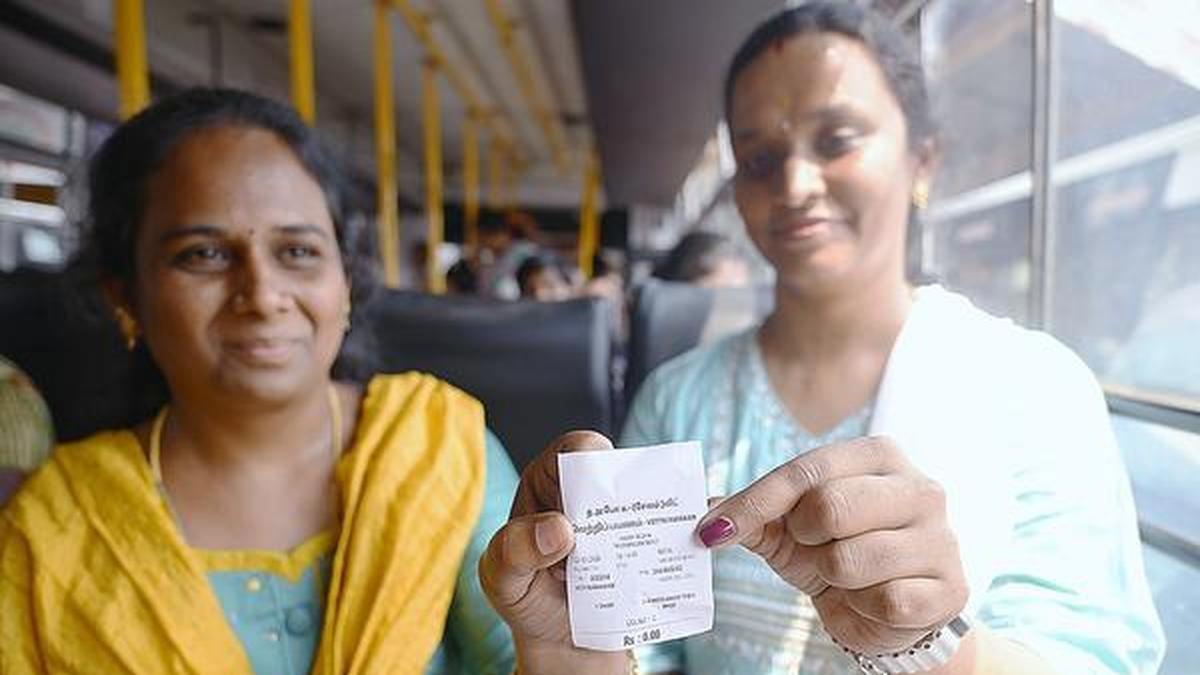
Tamil Nadu's free bus travel scheme for women has emerged as a flagship welfare programme, with Chief Minister M.K. Stalin positioning it as a centerpiece of his government's social agenda. The initiative, known as Vettri Payanam, aims to provide costless transportation to female passengers across the state's public transport network.
The programme operates within the state's broader budgetary framework of approximately ₹4 lakh crore in annual revenue and expenditure. Early figures indicate the scheme generates around 84 lakh daily journeys, demonstrating significant uptake among its target beneficiary group. However, policymakers and analysts are increasingly questioning whether the initiative delivers measurable economic returns beyond its political value.
Government officials argue that removing transportation barriers can facilitate women's workforce participation and economic mobility. The scheme's proponents contend that reduced commuting costs could translate into higher household incomes and improved productivity. However, independent assessments of these claims remain limited, with no comprehensive data yet available on employment outcomes or income changes among regular users.
The real challenge for the Tamil Nadu government lies in converting mass ridership into concrete socioeconomic metrics. Success would require demonstrated improvements in female labour force participation rates, average household incomes among beneficiary groups, and overall economic productivity. Without such measurable gains, the scheme risks being viewed primarily as a revenue-neutral political initiative rather than a transformative economic intervention.
As Tamil Nadu prepares annual budget allocations, the pressure intensifies to demonstrate that welfare spending yields tangible development outcomes beyond voter satisfaction, setting a potential benchmark for similar programmes across India's states.