Business · India Bureau
Tamil Nadu's Free Bus Scheme Expands: What's the Real Economic Cost?
Tamil Nadu has launched an expanded free bus transport initiative on Gandhi Jayanti, building on its existing women's zero-fare programme. The extension is projected to cost the state an additional ₹1,600 crore annually, raising questions about fiscal sustainability.
LSN India ·
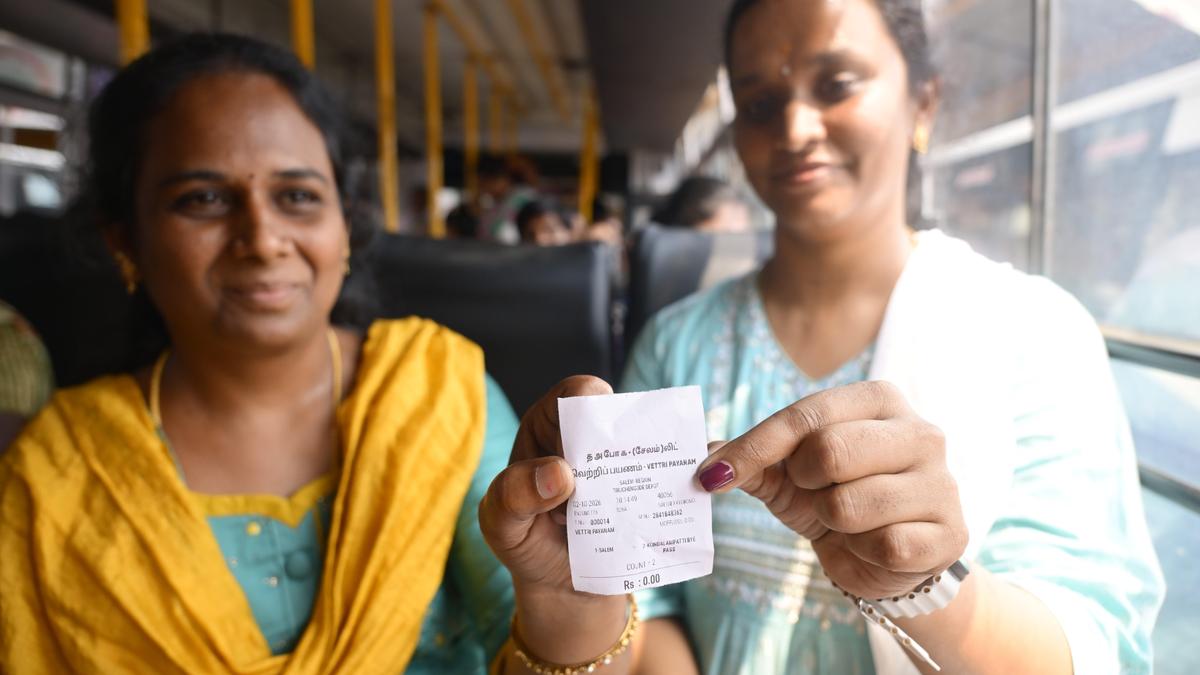
Tamil Nadu has rolled out an expanded iteration of its free public bus transport scheme, positioning the initiative as an extension of the popular Vidiyal Payanam programme that currently offers zero-fare rides to women passengers. The new scheme, launched on Gandhi Jayanti, broadens access to free bus travel beyond women to include other eligible beneficiary groups.
According to government estimates, the expanded programme will impose an incremental annual financial burden of ₹1,600 crore on the state exchequer. Over the proposed implementation period, the total projected expenditure is pegged at ₹6,000 crore, underscoring the substantial fiscal commitment required to sustain the initiative.
The scheme represents a significant policy decision aimed at enhancing public transport accessibility across socioeconomic groups. However, the considerable financial outlay has prompted economists and policymakers to scrutinise the long-term viability and economic multiplier effects of subsidising mass transit on such a large scale.
Tamil Nadu's transport department maintains that the scheme will generate positive externalities through increased ridership, reduced private vehicle usage, and lower transportation costs for beneficiaries. Officials argue these benefits justify the investment, though comprehensive cost-benefit analyses remain pending.