Politics · Singapore Bureau
Tamil Nadu's New Leader Breaks with Linguistic Tradition of Regional Parties
Tamil Nadu's chief minister is departing from six decades of practice by the Dravidian parties, opting to speak colloquial Tamil rather than the formal literary variant traditionally favoured by the state's political establishment.
LSN Singapore ·
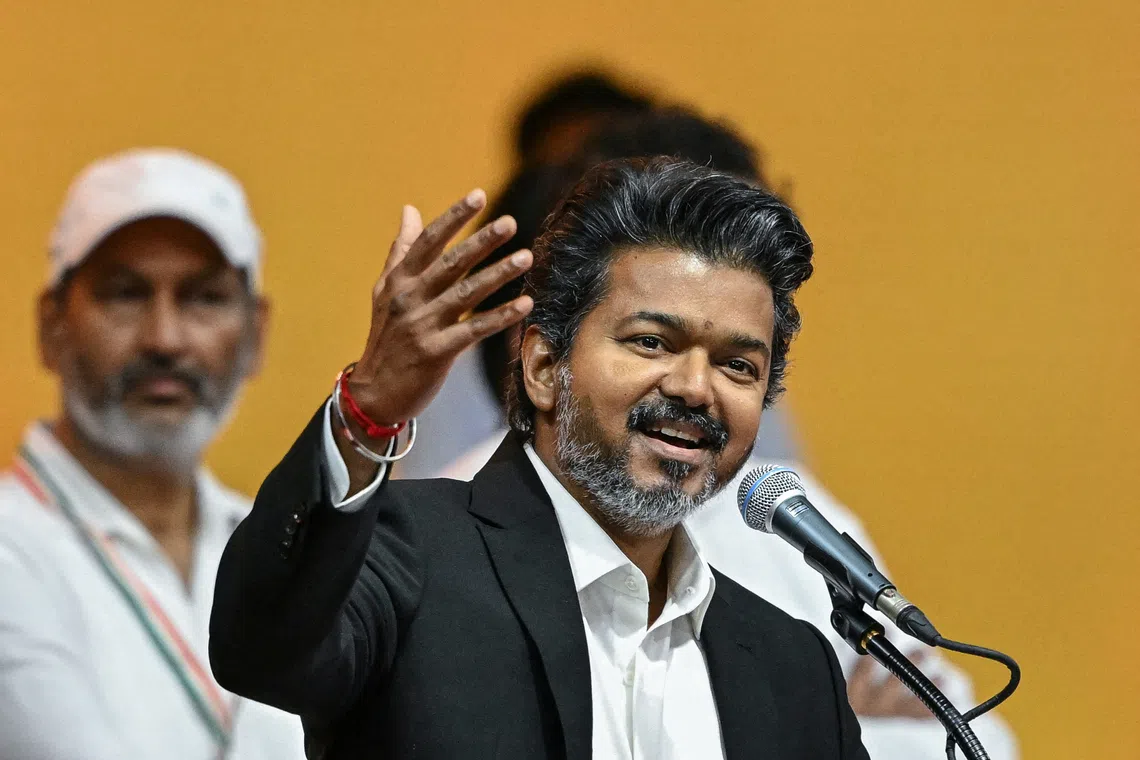
Tamil Nadu's new chief minister is marking a significant shift in the state's political culture by adopting everyday Tamil in public communications, a departure from the formal literary register that has dominated the Dravidian movement for over 60 years.
The regional parties that have governed Tamil Nadu since the mid-20th century have consistently employed classical or formal Tamil in their public addresses and official communications, reflecting an ideological commitment to preserving the language's literary heritage.
By contrast, the incoming administration's choice to use colloquial Tamil signals a change in approach that could reshape how political leaders engage with the general population. The shift raises questions about the relationship between language, identity, and political messaging in a state where Tamil linguistic pride has long been central to regional politics.
The move reflects broader trends in Indian politics where leaders increasingly adopt vernacular registers to connect more directly with voters, departing from formalized speech patterns associated with previous generations of political elites.
Observers will be watching whether this linguistic approach influences the new government's broader policy priorities and its relationship with the language advocacy movements that have historically shaped Tamil Nadu's political landscape.