Politics · India Bureau
Tamil Nadu's Parandur airport pullout raises questions on land acquisition reversal
As Tamil Nadu government steps back from the Parandur airport project, critical questions emerge about the fate of land already acquired and state options for reversing major infrastructure initiatives mid-course.
LSN India ·
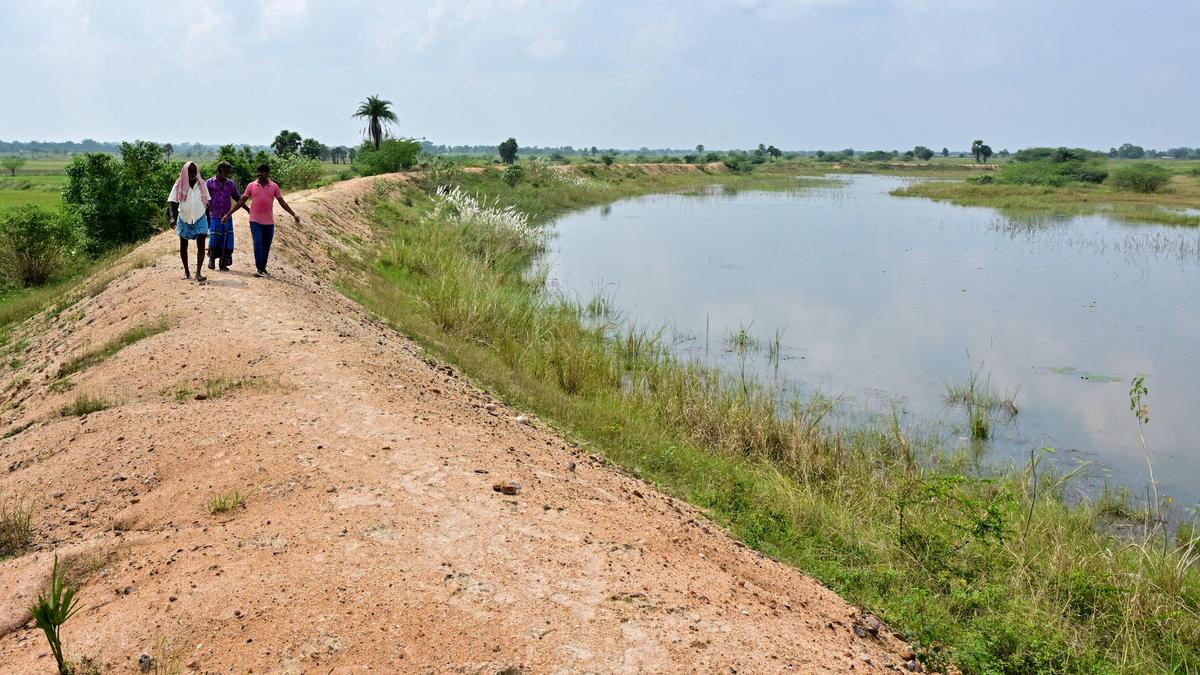
The Tamil Nadu government's decision to withdraw from the Parandur airport project has brought into sharp focus the procedural and legal complexities involved when states abandon major infrastructure ventures after acquiring land. The move raises fundamental questions about governmental options when reversing course on significant capital projects and the implications for landowners whose properties have been acquired in anticipation of now-shelved development.
When a state initiates land acquisition for infrastructure projects, it typically follows the Land Acquisition Act framework, which mandates specific compensation and rehabilitation procedures. However, if a government subsequently decides to discontinue the project, the acquired land does not automatically revert to original owners. Instead, states possess several options: they may retain the land for alternative public purposes, return it to the original owners, or maintain it as government property for potential future use.
The legal framework governing such reversals depends on multiple factors, including the extent of acquisition completed, compensation already disbursed, and whether alternative public use is identified for the land. In situations where acquisition is incomplete, the state can halt proceedings and potentially return partially acquired land. Once acquisition is finalized, however, returning land becomes more complex and often requires separate administrative or legislative action.
For affected landowners, a project pullout creates uncertainty about land value and future use. Those compensated according to acquisition valuations at the time may face disadvantages if market values have since appreciated. States must balance the interests of original owners with broader public interest considerations and fiscal implications of reversing large-scale projects.
The Parandur case underscores the need for transparency in decision-making processes around major infrastructure projects and clear communication with affected communities about potential changes in state priorities or project viability assessments.