Culture & Entertainment · India Bureau
Tamil Nadu's Samacheer Kalvi: Bridging educational equity through uniform schooling
Tamil Nadu's landmark shift toward a unified school education system faced political headwinds when the AIADMK government took office in 2011, complicating implementation of the Samacheer Kalvi framework designed to ensure educational parity across socioeconomic lines.
LSN India ·
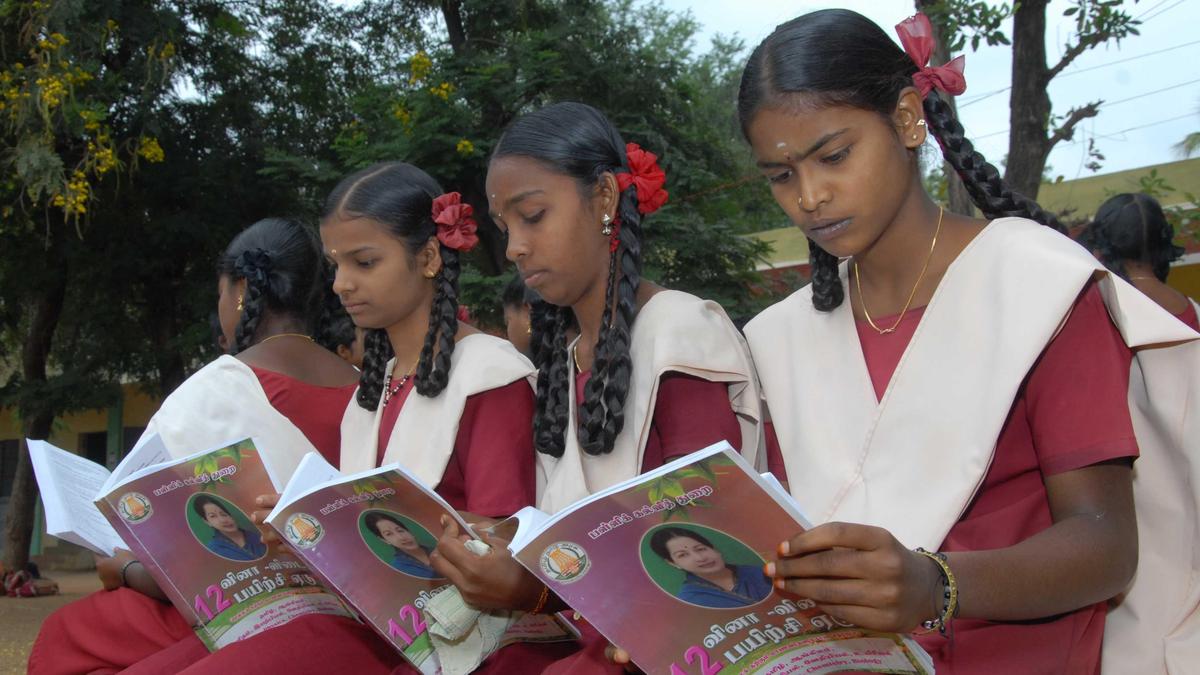
The Samacheer Kalvi system represents a significant attempt to standardize education across Tamil Nadu by eliminating parallel educational tracks that traditionally created disparities between students from different economic backgrounds. The unified curriculum was conceived as a democratic measure to provide all students—regardless of family income or social status—access to the same quality of instruction and resources.
When the AIADMK government assumed power in 2011, the transition encountered substantial political obstacles that threatened the continuity of the rollout. The change in administration introduced administrative and policy uncertainties that complicated the implementation timeline originally envisioned by the previous government.
Despite these initial hurdles, the Samacheer Kalvi framework persisted as a policy priority, reflecting broader consensus around educational equity in the state. The system aimed to dissolve the distinction between government and private school curricula, thereby reducing educational stratification that had historically advantaged affluent families.
The evolution of Samacheer Kalvi underscores the tension between educational reform objectives and political transitions in India's state governments. The initiative demonstrates both the commitment to equitable schooling and the practical challenges of implementing comprehensive systemic change across a large, diverse student population.