Culture & Entertainment · India Bureau
Tasmania battles century-old invasive species to save native fish
Conservation teams in Tasmania are undertaking ambitious efforts to rescue the critically endangered Swan galaxias, a tiny native fish facing extinction after brown trout were introduced from England in 1864. The initiative involves creating trout-free sanctuaries and relocating populations to isolated waterways to ensure the species' survival.
LSN India ·
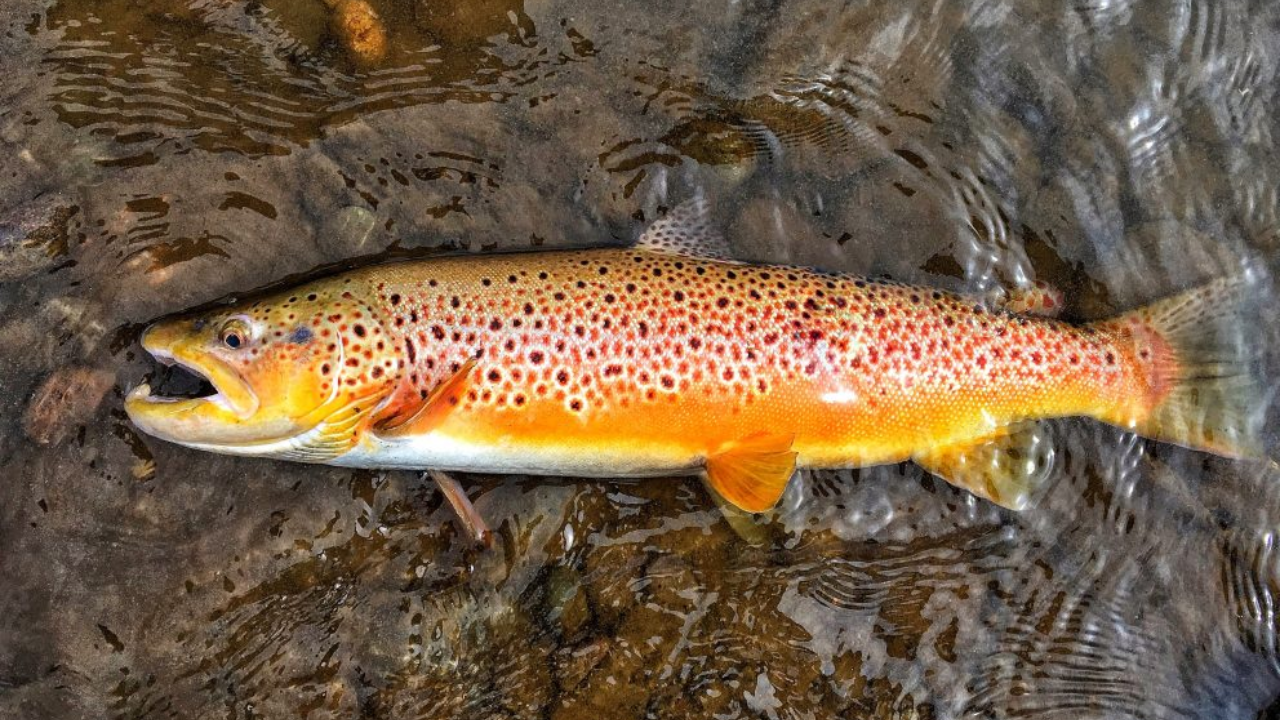
More than 160 years after brown trout were introduced to Tasmanian waters for recreational fishing, conservationists are working to undo the ecological damage caused by the invasive species. The Swan galaxias, a diminutive freshwater fish native to the island, has been pushed to the brink of extinction by predation and competition from the larger introduced trout.
Conservation workers are implementing a multi-pronged strategy to protect remaining populations of the endangered fish. The efforts include constructing physical barriers in waterways to prevent brown trout from accessing galaxias habitats, clearing waterways to improve conditions in critical refuges, and actively relocating fish populations to geographically isolated catchments where they can thrive without predation risk.
While natural geographic barriers have allowed some Swan galaxias populations to persist in isolated pockets, the species faces ongoing threats from droughts and floods that can devastate small, fragmented communities. Conservation teams have identified these climate-related risks as significant challenges to long-term survival, prompting the establishment of multiple backup populations across separate locations.
The initiative represents a delicate balancing act between Tasmania's sporting traditions and conservation imperatives. While brown trout fishing remains culturally and economically significant to the region, the recovery programme underscores growing recognition that preserving native biodiversity requires active intervention to counteract historical decisions with lasting ecological consequences.