World · India Bureau
Tasmania declares victory in nearly three-decade battle against invasive carp
After 28 years of sustained effort, Tasmania's fisheries authorities have successfully eliminated invasive common carp from two major lakes, removing over 49,000 fish and restoring ecological balance to the waterways.
LSN India ·
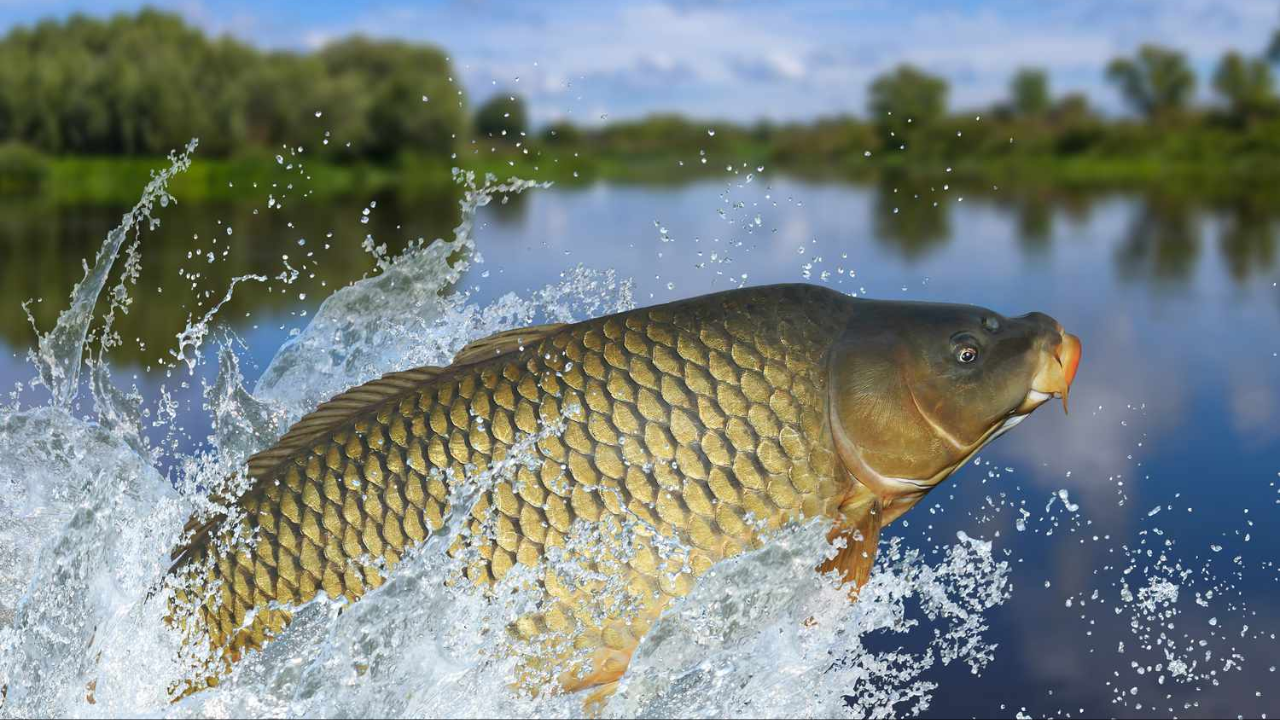
Tasmania's fisheries service has completed one of the region's most extensive invasive species eradication campaigns, clearing common carp from Lake Sorell and Lake Crescent following nearly three decades of coordinated removal efforts. The marathon operation, which saw the extraction of more than 49,000 fish, represents a significant ecological recovery and offers lessons for managing invasive aquatic species across the Asia-Pacific region.
The removal programme has yielded tangible environmental benefits. Waters in both lakes have become noticeably clearer as carp populations—known for muddying lake bottoms while feeding—have been eliminated. Native aquatic vegetation in marsh areas has experienced a marked revival, restoring critical habitat and improving overall water quality in the formerly degraded ecosystems.
The ecological restoration has extended to fish populations, with wild brown trout numbers rebounding substantially in both lakes. The recovery has reinvigorated recreational fishing opportunities, attracting anglers seeking native species in healthier aquatic environments. The resurgence demonstrates that large-scale invasive species control, while resource-intensive and long-term in nature, can achieve genuine ecosystem recovery.
The success in Tasmania underscores the challenges posed by invasive carp across multiple continents. Common carp, originally introduced for aquaculture and sport fishing, have become problematic in numerous freshwater systems worldwide, disrupting native ecosystems and degrading water quality. The Tasmanian example suggests that persistent, well-funded removal campaigns can reverse ecological damage caused by invasive fish species.