World · India Bureau
Tata governance row prompts India Inc to reassess shareholder protections
A shareholder dispute at Tata has triggered fresh concerns among Indian companies about the extent of board authority to override majority shareholders. The clash is prompting businesses across the country to review their governance frameworks.
LSN India ·
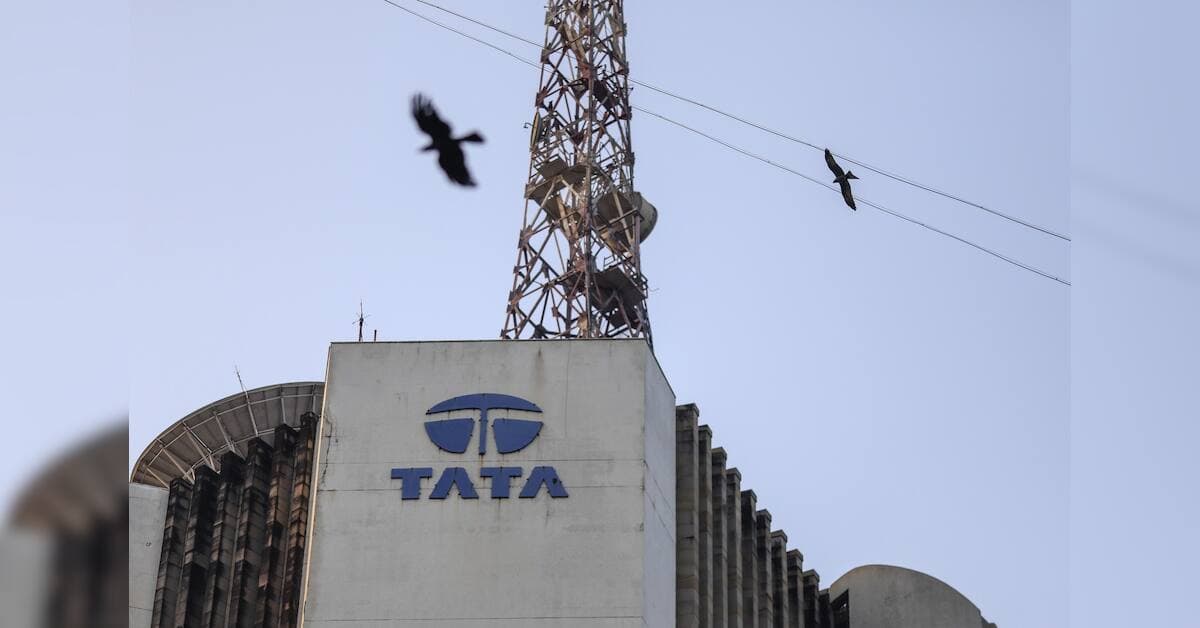
The governance dispute within the Tata group has sent ripples through India's corporate sector, forcing boards and management teams to confront questions about the limits of their authority relative to majority shareholders. The row has highlighted potential vulnerabilities in how Indian companies balance board independence with shareholder oversight, raising broader questions about corporate accountability.
The situation underscores a tension that has long simmered in Indian corporate governance: the degree to which a board can act against the wishes of a controlling shareholder. While boards are designed to represent all shareholders and act in the company's best interests, the precedent set by how major disputes are resolved can reshape the dynamics across Indian Inc.
Company secretaries, board advisers and legal experts report increased inquiries from corporate clients seeking clarity on governance structures and shareholder rights protections. Many are reviewing their bylaws and board compositions to ensure they can withstand potential challenges to their authority and credibility.
The Tata episode has become a cautionary case study for how quickly a governance disagreement can escalate and damage institutional reputation. Industry observers note that the way this dispute resolves will likely influence how other Indian companies structure their boards and define the relationship between management and controlling shareholders in the months ahead.