World · India Bureau
Tata Group grapples with internal power dynamics beyond top leadership
The Tata conglomerate faces deeper succession and governance questions that extend well beyond the public focus on group chairman N. Chandrasekaran and veteran Noel Tata. Multiple layers of leadership and competing interests within India's oldest business empire are shaping the group's future direction.
LSN India ·
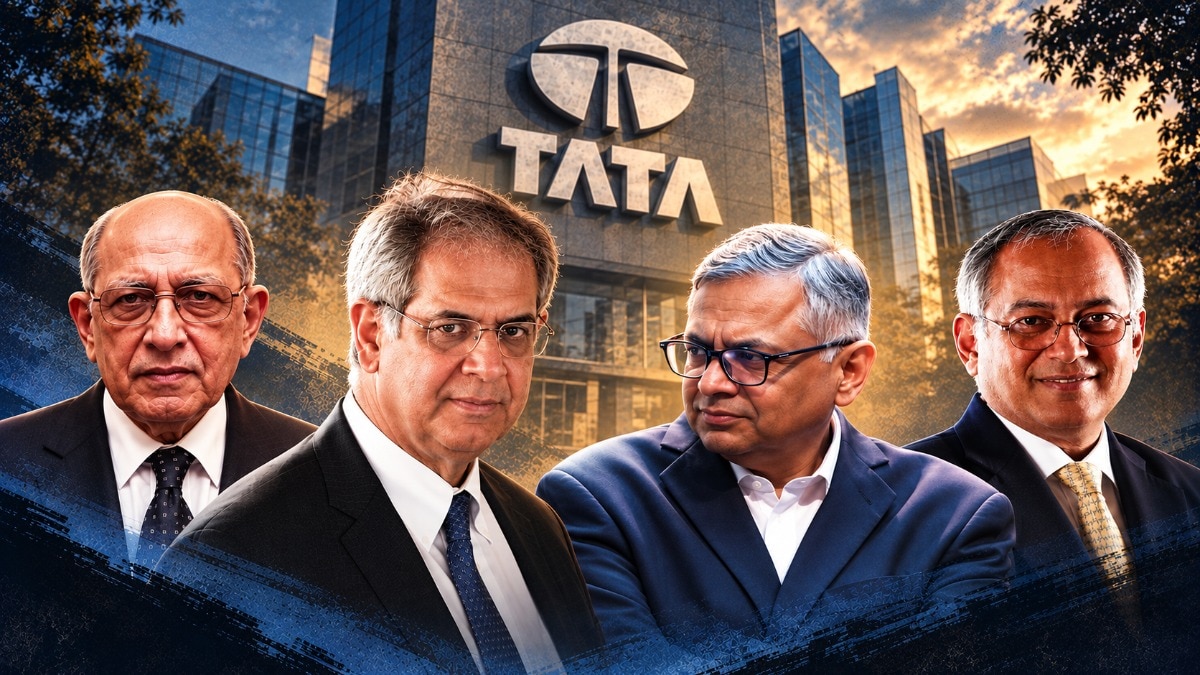
The Tata Group, one of India's most influential conglomerates, is navigating a complex internal landscape where power dynamics involve far more players than recent public attention suggests. While chairman N. Chandrasekaran and Noel Tata have dominated headlines, the sprawling 150-year-old group encompasses numerous operating companies with their own boards, management structures, and stakeholder interests that create competing priorities.
The succession question at Tata Group reflects broader governance challenges typical of large family-influenced enterprises. With operations spanning steel, software, automobiles, aviation, and retail across multiple geographies, consensus-building between different business unit heads, independent directors, and institutional shareholders has become increasingly critical. Each major company within the group maintains significant autonomy, creating situations where group-level strategic decisions must navigate diverse commercial interests and viewpoints.
Sources within the group indicate that leadership transitions involve intricate negotiations around capital allocation, strategic priorities, and management appointments across the conglomerate's portfolio. The complexity intensifies given the group's trust structure, philanthropic commitments, and the involvement of various stakeholders who claim historical or fiduciary connections to the Tata legacy.
The ongoing dynamics underscore that large multinational conglomerates face succession planning that extends beyond identifying a single leader. Instead, the real challenge involves aligning multiple independent businesses, their respective managements, board members, and key stakeholders around a coherent vision for the group's future while maintaining the operational effectiveness of individual units.