Business · Singapore Bureau
Teachers remain irreplaceable as artificial intelligence transforms classrooms
Educators across the region are reinforcing the critical role of human instruction in an age of rapid technological advancement. Experts argue that while AI tools can enhance learning, the interpersonal dimensions of teaching cannot be automated.
LSN Singapore ·
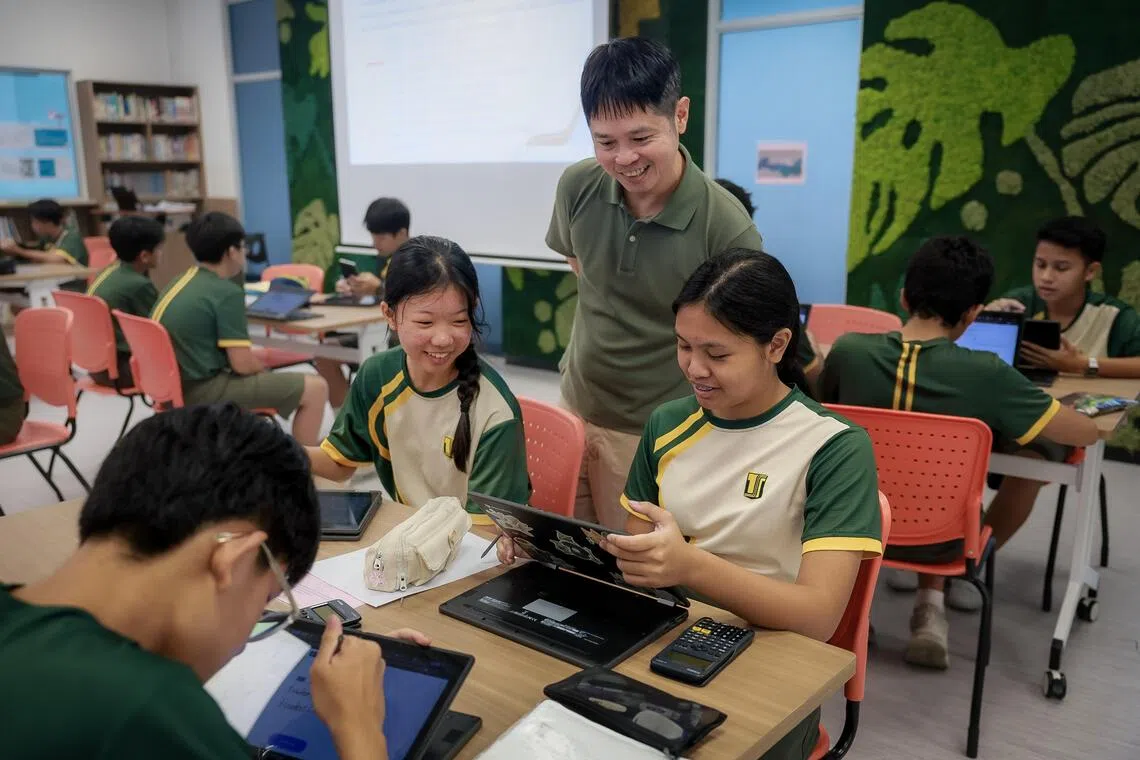
As artificial intelligence systems gain wider adoption in educational settings throughout South and Southeast Asia, education professionals are emphasising that technology cannot replicate the fundamental human relationships that underpin effective teaching.
Schools increasingly integrate AI-powered tools for personalised learning, automated grading, and adaptive instruction. However, educators and researchers caution that these systems address only part of the learning equation. The social-emotional aspects of education—mentorship, encouragement, and personalised guidance—remain dependent on human interaction.
Teachers serve functions beyond content delivery, supporting student development through individual attention, motivation, and role modelling. These dimensions of instruction shape how students engage with material and develop confidence in their abilities. Education specialists note that AI excels at processing information and identifying learning gaps but lacks the contextual understanding and empathy required for meaningful pedagogical relationships.
Institutions adopting AI are finding greatest success when treating the technology as a complementary tool rather than a replacement for classroom instruction. This approach allows educators to dedicate more time to direct student engagement while leveraging automation for routine administrative tasks and data analysis.
As technology continues reshaping education systems across the region, stakeholders agree that investing in teacher training and development remains essential to maximising both human and artificial intelligence in the classroom.