Technology · World News Bureau
Tech leaders' AI doomsday warnings spark media scrutiny, regulatory debate
As prominent technology executives issue increasingly dire predictions about artificial intelligence posing existential risks to humanity, media coverage and policy responses remain deeply contested. Questions persist about whether public discourse accurately reflects the scientific evidence underpinning such warnings.
LSN World News ·
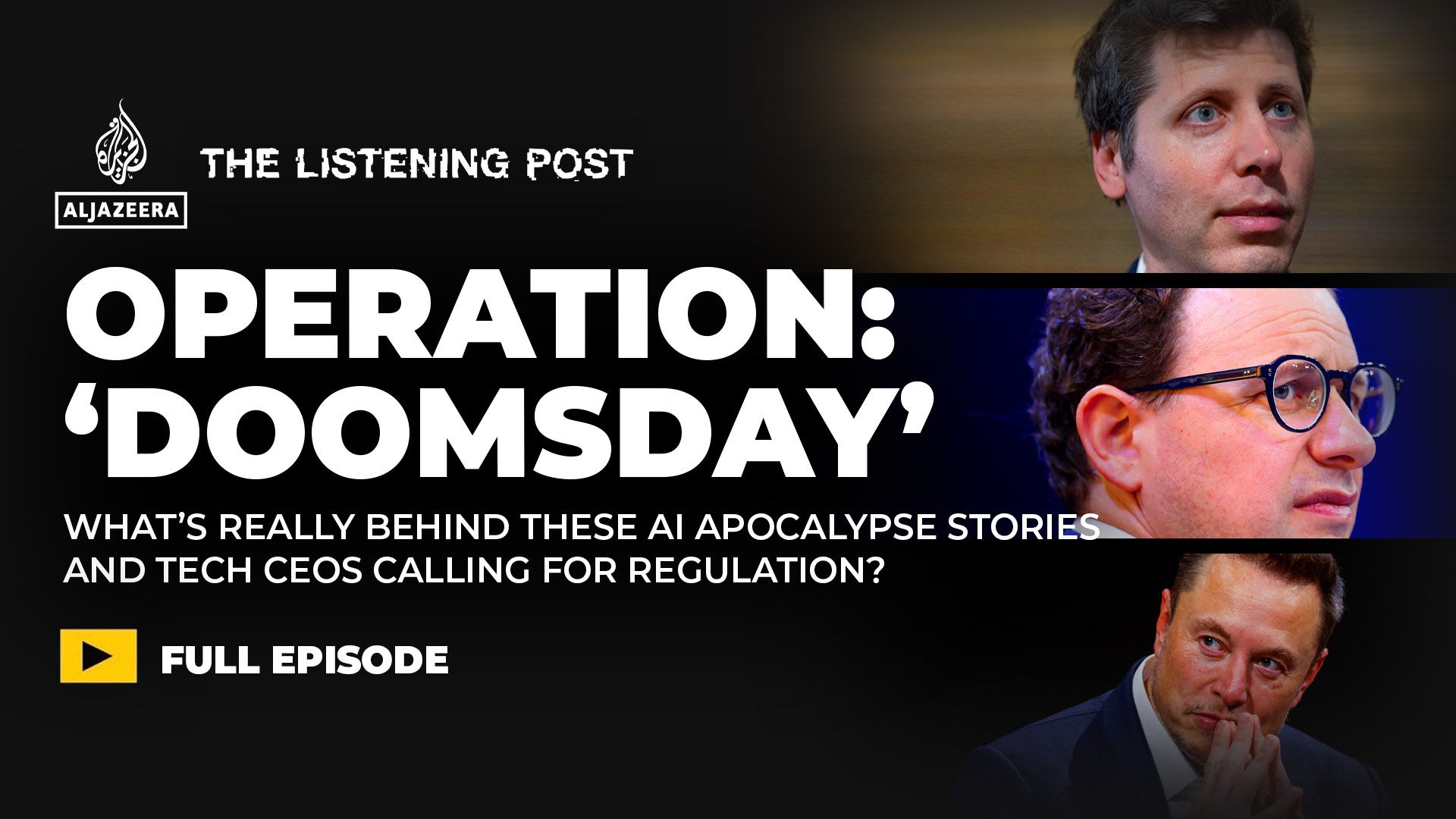
High-profile figures in the technology sector have intensified warnings about artificial intelligence potentially threatening human civilization, prompting renewed examination of how such claims are reported and received by policymakers and the public. The rhetoric has coincided with growing calls for regulatory frameworks to govern AI development, though experts disagree sharply on the magnitude of near-term versus long-term risks.
Media treatment of these warnings has drawn criticism from multiple quarters. Some analysts contend that coverage amplifies alarmist narratives without sufficient scrutiny of underlying assumptions or alternative expert perspectives. Others argue that the concerns warrant serious attention given the rapid pace of AI advancement and the stakes involved in getting governance right.
The debate has taken on geopolitical dimensions, with concerns about AI competition between major powers, particularly the United States and China, influencing regulatory discussions across multiple countries. Policymakers face pressure to establish safeguards without stifling innovation or ceding technological advantages to competitors.
Deep divisions persist within the scientific and business communities regarding which risks deserve priority attention. While some researchers emphasize existential dangers from advanced AI systems, others focus on more immediate harms such as bias, privacy violations, and economic disruption. These competing framings have complicated efforts to develop consensus on appropriate regulatory approaches.
Governments worldwide are beginning to formalize AI oversight mechanisms, though the speed and stringency of regulation remain hotly contested. The challenge of balancing precaution against technological progress continues to define policy discussions in the sector.