Culture & Entertainment · Bangladesh Bureau
Technical Education Struggles to Shed 'Second Choice' Image in Bangladesh
Despite growing demand for skilled workers in vocational sectors, technical education remains stigmatized as a fallback option rather than a valued career pathway. Educational experts and industry leaders say changing mindsets is crucial to addressing Bangladesh's skills gap.
LSN Bangladesh ·
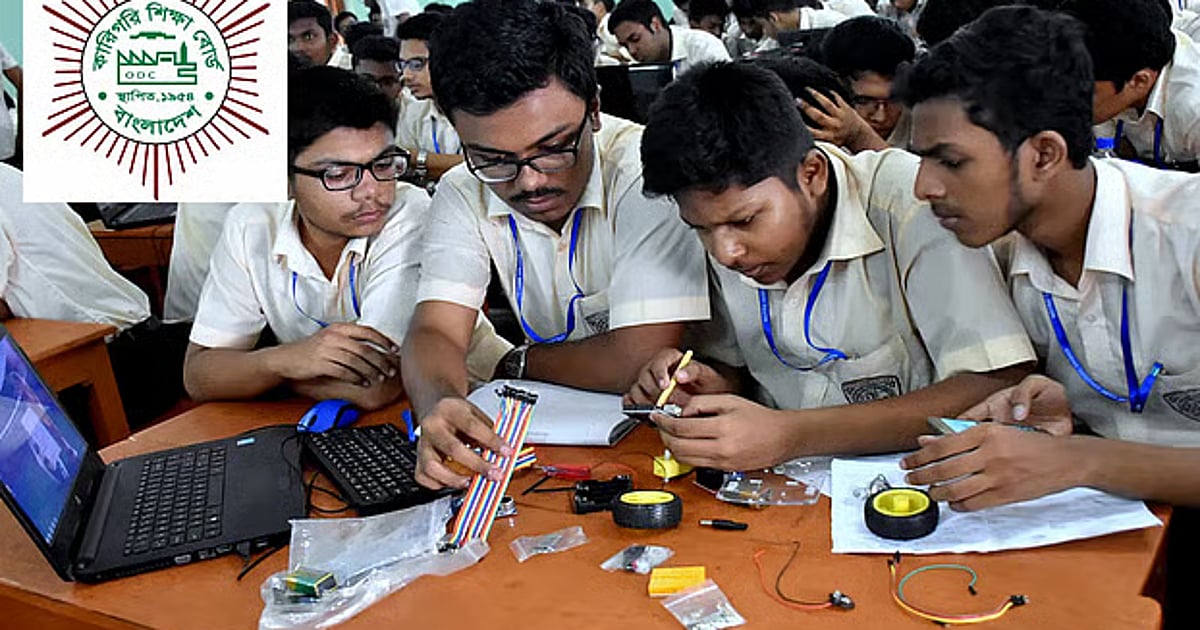
Technical and vocational education continues to occupy a lower rung in Bangladesh's educational hierarchy, with many families viewing it as a last resort when academic routes prove unattainable. This perception persists despite mounting evidence that skilled trades and technical professions offer stable employment and competitive wages in an increasingly industrialized economy.
The stigma surrounding technical education stems from deeply ingrained social attitudes that prioritize traditional academic degrees over hands-on vocational training. Parents often push children toward general education streams hoping for university admission, while technical institutes struggle with enrollment numbers and limited resources. This cultural bias means Bangladesh is losing potential talent to sectors where skilled workers are urgently needed.
Industry observers note that the country's rapid growth in manufacturing, construction, information technology, and renewable energy sectors has created substantial demand for technically trained workers. Yet the education system has been slow to align capacity with these emerging opportunities, leaving employers struggling to find qualified personnel.
Educationalists argue that sustained efforts to rebrand technical education as a credible, aspirational choice are essential. This requires improvements in curriculum quality, instructor training, and institutional infrastructure, alongside campaigns to shift public perception. Several initiatives have begun promoting technical pathways more actively, but wider systemic change remains necessary to unlock Bangladesh's potential workforce.
Without addressing these fundamental barriers, experts warn that Bangladesh risks missing economic opportunities while its youth remain underemployed in less-demanding positions than their abilities would permit.