World · India Bureau
Teen Engineer Develops Low-Cost Bedsore Detection System Using AI
An 18-year-old innovator has created an affordable technological solution combining machine learning and thermal imaging to identify pressure injuries at an early stage. The breakthrough system promises to improve patient outcomes while reducing the burden on healthcare staff.
LSN India ·
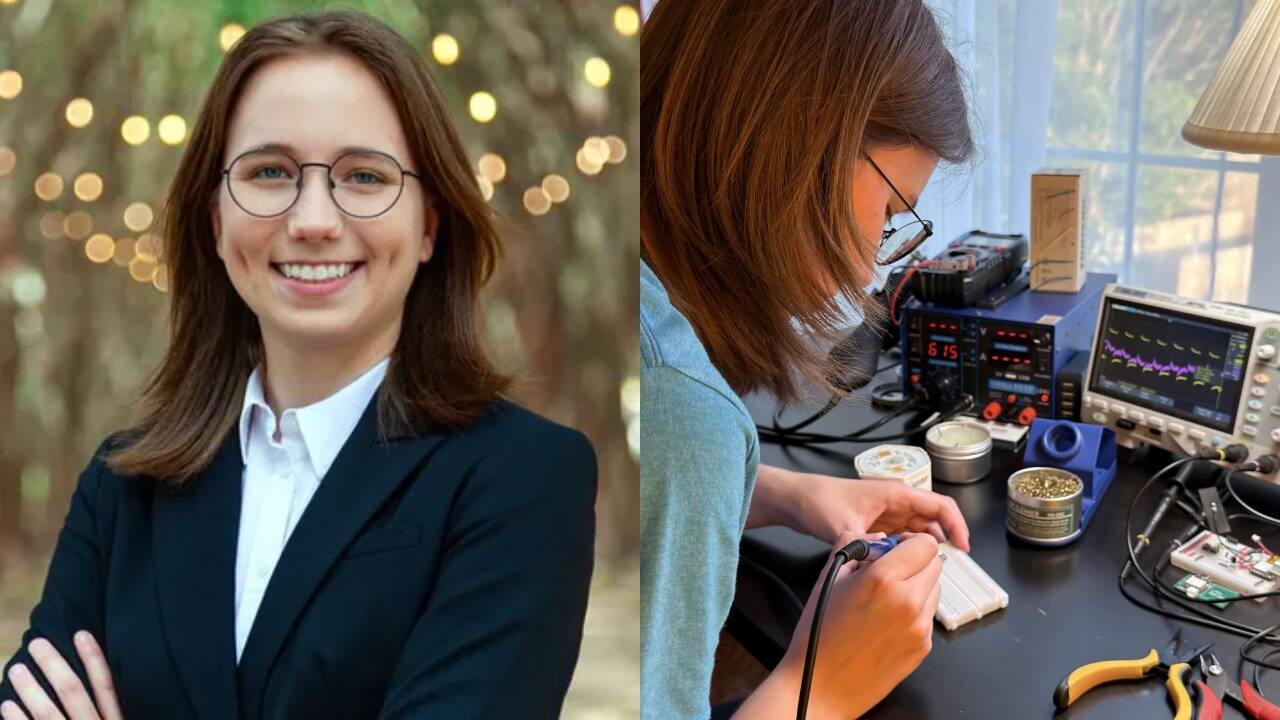
A teenager has engineered a novel diagnostic system that leverages artificial intelligence and thermal imaging technology to detect bedsores before they become severe. The device, developed at a cost of approximately $130, represents a significant advancement in preventive healthcare technology for patients with limited mobility.
Pressure injuries remain a critical concern in healthcare settings across South Asia, where hospital resources are often stretched thin. By identifying early warning signs through non-invasive thermal imaging, the system enables nursing staff to intervene promptly, potentially preventing complications and reducing patient suffering. The technology integrates machine learning algorithms to analyze thermal patterns and flag areas at risk.
The innovation has garnered recognition from the academic and healthcare communities, with the developer receiving a prestigious scholarship to pursue further studies. The award reflects growing interest in technology-driven solutions to address pressing healthcare challenges in resource-constrained environments.
Experts suggest that accessible, cost-effective detection systems could transform pressure injury prevention protocols in hospitals and care facilities across the region. As the innovator pursues advanced engineering studies, the project demonstrates how young talent can contribute meaningful solutions to long-standing medical challenges. Healthcare administrators and medical institutions are reportedly exploring potential applications of the technology in clinical settings.