Technology · India Bureau
Teen Innovator Develops Curry Leaf Remedy for Citrus Disease
A 17-year-old has created a treatment using curry leaves and an artificial intelligence tool to combat citrus greening, a devastating disease affecting citrus production across South Asia.
LSN India ·
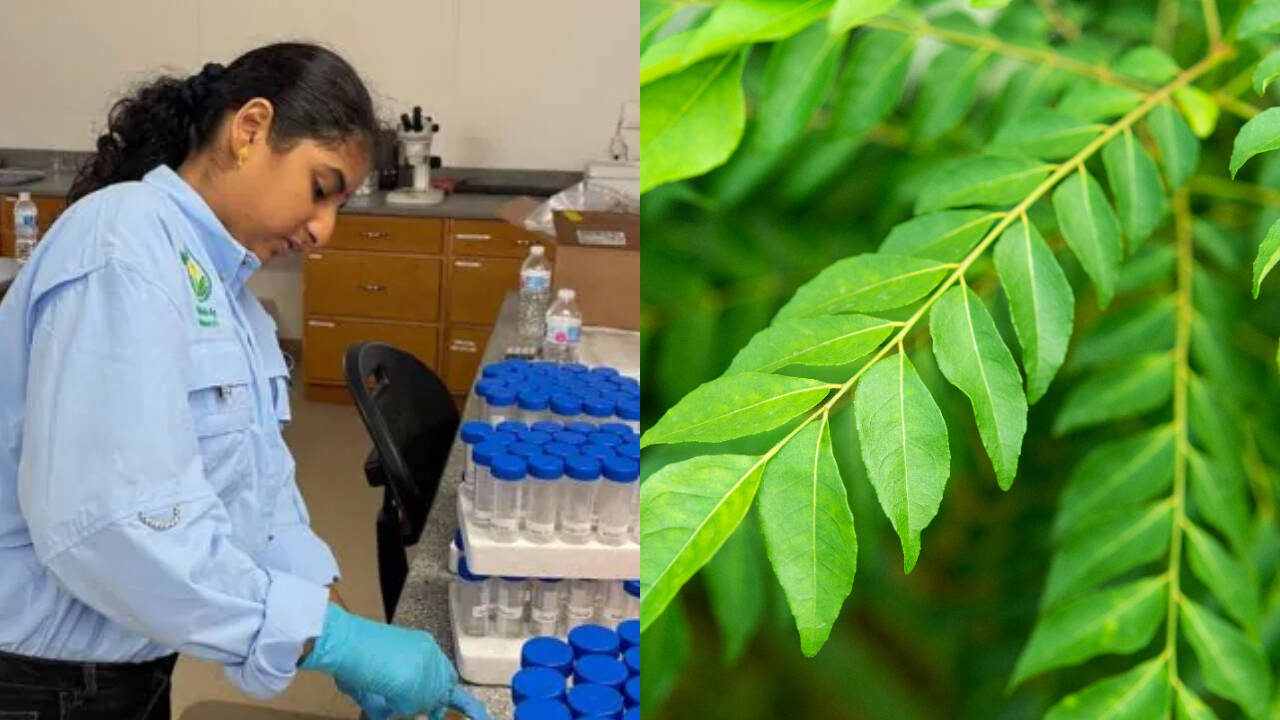
A teenage innovator has developed a novel approach to tackling citrus greening disease, one of the most significant threats to citrus cultivation in the region. The solution combines a treatment derived from curry leaves with an artificial intelligence-powered diagnostic tool, offering new hope to farmers battling the disease that has ravaged orchards across South and Southeast Asia.
Citrus greening, also known as Huanglongbing, is caused by bacteria transmitted through insect vectors and has proven difficult to control using conventional methods. The disease causes yellowing of leaves, reduced fruit yield, and eventual tree decline, leading to substantial economic losses for farming communities. Traditional management approaches have shown limited effectiveness, prompting researchers and innovators to explore alternative solutions.
The curry leaf-based treatment represents an unconventional approach drawing on traditional agricultural knowledge. Combined with machine learning technology to identify infected trees and monitor disease progression, the integrated system aims to provide farmers with both preventative and diagnostic capabilities. The AI component enables early detection of citrus greening, potentially allowing intervention before widespread crop damage occurs.
The innovation demonstrates the potential for youth-led research to address persistent agricultural challenges in the region. By merging traditional plant-based remedies with modern technology, the approach offers a scalable solution that could be adapted across different growing regions. As citrus greening continues to threaten production in major growing areas, such alternative strategies may prove crucial for sustaining the industry and supporting agricultural livelihoods.