World · India Bureau
Teen inventor creates affordable brain-reading device for speech restoration
A 17-year-old student has developed a low-cost neural interface system that can help restore communication in individuals with speech impairments. The innovative device, priced at approximately $1,800, demonstrates the potential for accessible brain-computer technology.
LSN India ·
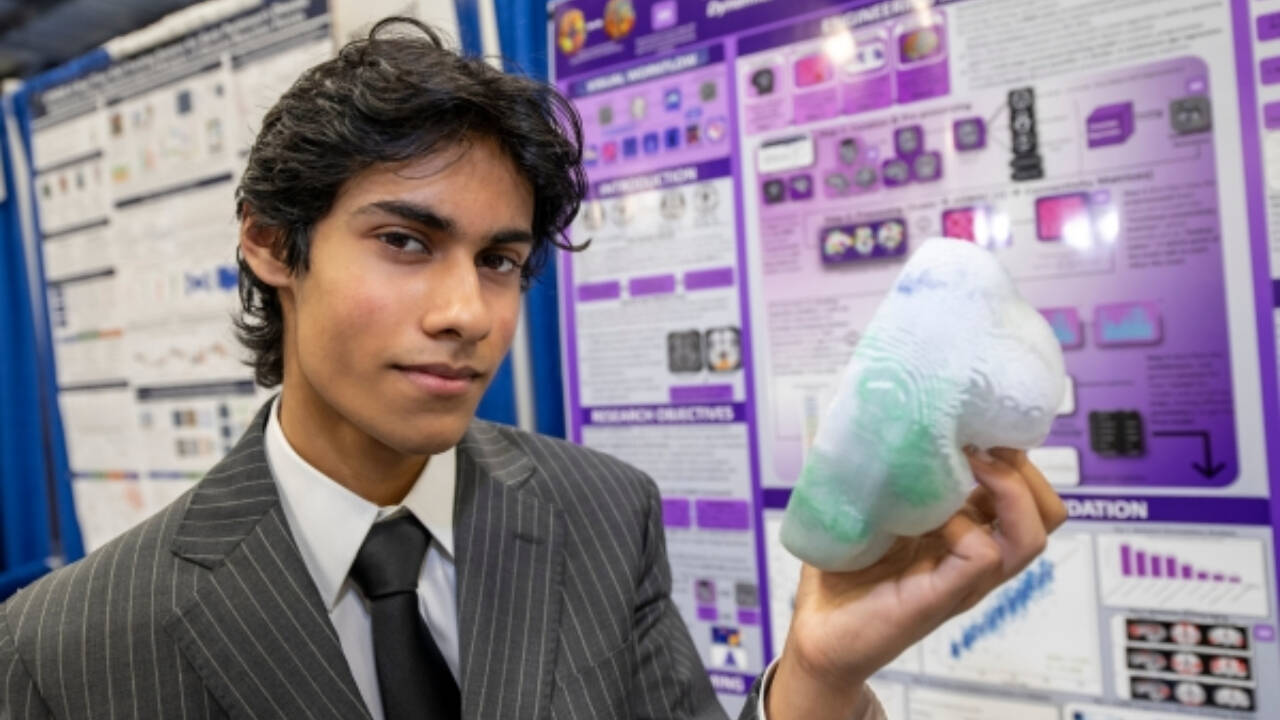
A high school student from Nashua has created a brain-reading system designed to help people regain their ability to communicate, marking a significant breakthrough in accessible neurotechnology. The device, which costs around $1,800 to manufacture, interprets neural signals and converts them into speech, offering hope to individuals with conditions that affect their ability to speak.
The invention represents a notable departure from existing brain-computer interface systems, which typically require substantial funding and specialized medical infrastructure. By developing a more affordable solution, the teenager has demonstrated that sophisticated neural technology need not remain confined to well-funded research institutions and hospitals.
The system operates by detecting and analyzing electrical signals produced by the brain, then translating these neural patterns into intelligible speech through a computerized interface. This approach leverages advances in signal processing and machine learning to bridge the gap between neural activity and communication.
While further development and clinical testing will be necessary before widespread deployment, the project underscores the potential for young innovators to address critical healthcare challenges. The work may inspire similar cost-effective solutions for neurological conditions affecting communication and mobility across the region and globally.
The device's affordability could prove particularly significant for patients in resource-limited settings, where access to advanced medical technology remains restricted. As brain-computer interface research continues to evolve, such innovations may eventually transform treatment options for individuals with severe speech disabilities.