World · India Bureau
Teen's Marine Restoration Project Offers Blueprint for Coastal Conservation
A 13-year-old environmental advocate is demonstrating how community-led initiatives can restore damaged marine ecosystems through strategic deployment of natural solutions. His work with clams, mangroves, and oyster gardens is generating measurable results in coastal habitat recovery.
LSN India ·
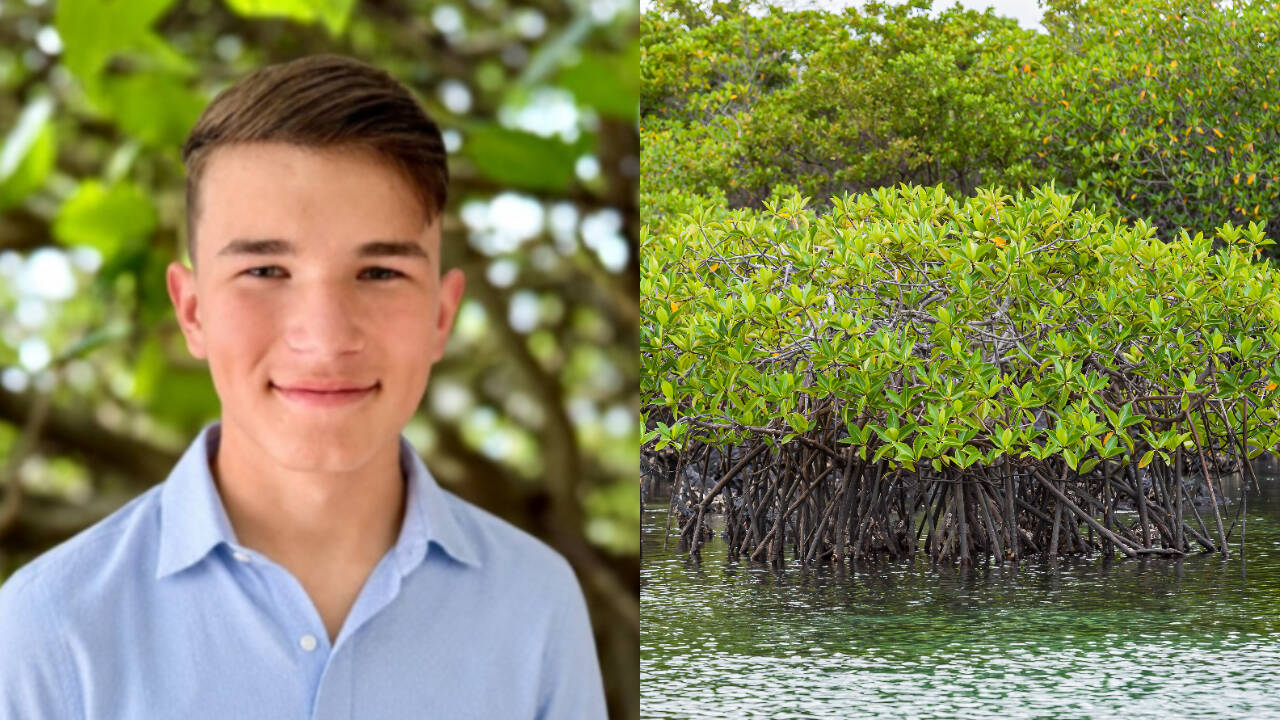
Young environmental activists are increasingly taking the lead in restoration efforts, with innovative approaches that combine traditional ecological knowledge and contemporary conservation science. One teenager has emerged as a notable example, spearheading a comprehensive marine restoration initiative that leverages multiple interconnected strategies to rehabilitate coastal ecosystems.
The project centers on three primary interventions: establishing oyster gardens that serve as natural water filters and breeding grounds for marine life, planting mangroves that provide crucial nursery habitats for fish and crustaceans, and introducing clams that play a vital role in sediment stabilization and nutrient cycling. Together, these elements create a self-reinforcing system where each component supports the others' ecological functions.
Mangrove ecosystems have long been recognized as biodiversity hotspots and critical buffers against coastal erosion and storm surge. Similarly, oyster reefs function as underwater forests, creating structural complexity that supports diverse marine communities while filtering pollutants from the water column. The integration of bivalves like clams amplifies these benefits by enhancing water quality through filter-feeding mechanisms.
The initiative demonstrates that meaningful environmental impact need not require large-scale industrial interventions or significant financial resources. By focusing on nature-based solutions and community participation, young conservationists are proving that restoration work can be both accessible and effective. Such grassroots efforts offer valuable templates for other coastal regions seeking to reverse ecological degradation and build resilience against environmental pressures.
As coastal communities worldwide grapple with pollution, habitat loss, and climate-related challenges, youth-led conservation projects highlight the potential for local action to generate tangible ecological improvements. The model suggests that combining multiple restoration techniques within integrated frameworks can amplify positive outcomes and create self-sustaining systems that benefit both human and non-human communities.