World · India Bureau
Teen's maths model could revolutionise earthquake sensor placement globally
A 14-year-old mathematics student has developed an innovative model that could significantly improve earthquake detection networks worldwide. Her research demonstrating a 16.7% boost in sensor coverage has earned her a place among finalists in a prestigious national science competition.
LSN India ·
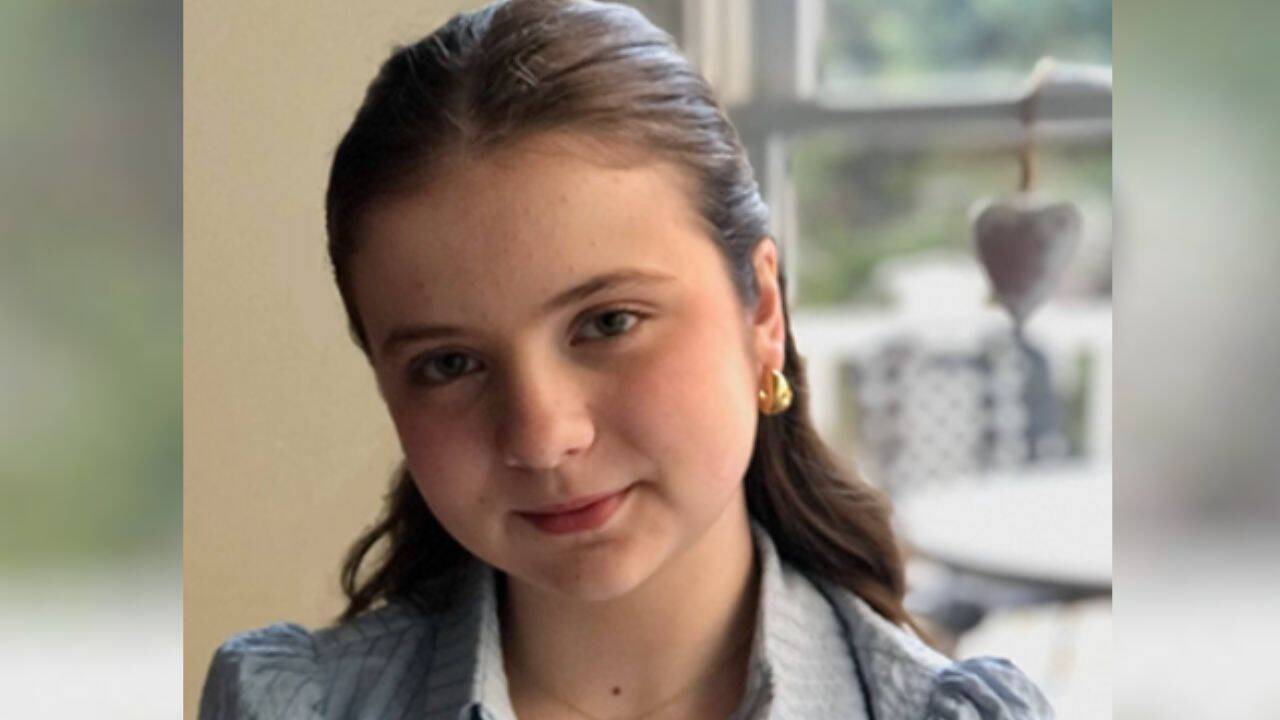
Isabel Rossi, a secondary school student from Williamsburg, Virginia, has applied mathematical modelling to one of seismology's persistent challenges: optimal placement of earthquake sensors. Over a six-month research period, Rossi developed a computational approach that identifies strategic locations for seismic monitoring equipment, potentially enhancing detection capabilities across vulnerable regions.
The teenager's findings suggest that adding merely five additional sensors to an existing network could increase simulated detection coverage by 16.7 percent—a meaningful improvement for disaster preparedness infrastructure. Her methodology drew upon historical earthquake data from California, a region with one of the world's most comprehensive seismic monitoring networks, to validate her mathematical approach.
Rossi's work addresses a practical concern faced by seismologists and disaster management agencies across tectonically active regions. India, situated on multiple tectonic plate boundaries, remains particularly vulnerable to seismic events, making advances in sensor placement technology relevant to the subcontinent's earthquake monitoring infrastructure.
The research has earned Rossi recognition as one of 30 finalists in a national science competition, highlighting the growing intersection between advanced mathematics and real-world applications in environmental monitoring. Her project demonstrates how computational methods can optimise the deployment of limited resources in critical infrastructure planning.