Culture & Entertainment · India Bureau
Teen's School Pond Project Becomes Thriving Wildlife Habitat After Nine Years
A Virginia teenager's environmental science project has evolved into a flourishing ecosystem that supports diverse wildlife species nearly a decade after its creation. The modest pond dig has demonstrated the potential for student-led conservation efforts to generate lasting ecological benefits.
LSN India ·
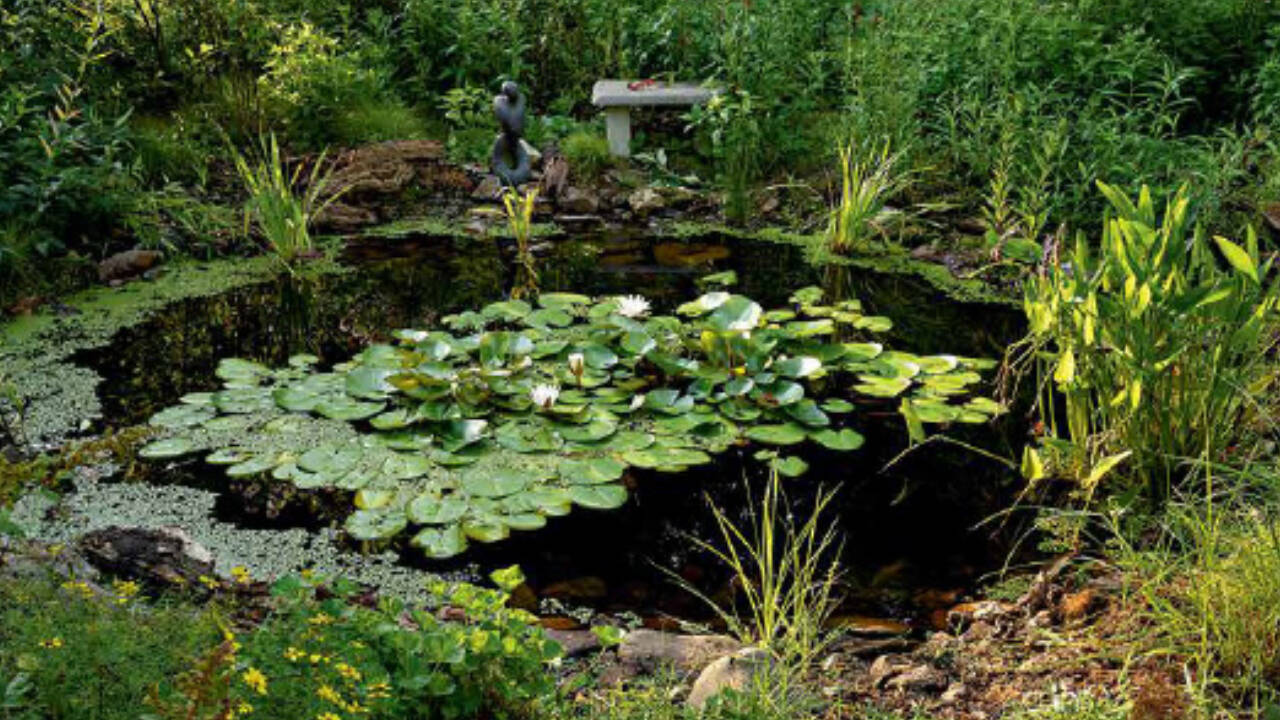
What began as a straightforward school assignment has transformed into an unexpected success story of habitat restoration. A Virginia student undertook the project of excavating a pond on school grounds, envisioning a modest contribution to the local environment. Nine years after the initial digging, the artificial water body has developed into a robust ecosystem supporting numerous plant and animal species.
The thriving pond now serves as a living classroom and wildlife sanctuary. The natural succession process has allowed vegetation to establish itself around the water's edge, attracting insects, amphibians, birds, and other fauna. Local biodiversity has colonised the space without formal intervention, demonstrating how human-initiated environmental projects can facilitate natural regeneration.
The project underscores the educational value of hands-on environmental work for students. By undertaking the physical labour of creating the pond, the teenager gained practical experience in ecology and land management. The long-term success of the initiative has provided measurable evidence of how small-scale conservation efforts can produce tangible ecological outcomes.
Such initiatives highlight opportunities for schools to contribute meaningfully to environmental stewardship. Student-led projects that create or restore habitats can generate local environmental benefits while fostering ecological literacy among younger generations. The Virginia pond project serves as a model for how educational institutions can integrate environmental action with curriculum objectives, creating spaces that benefit both students and local wildlife communities.